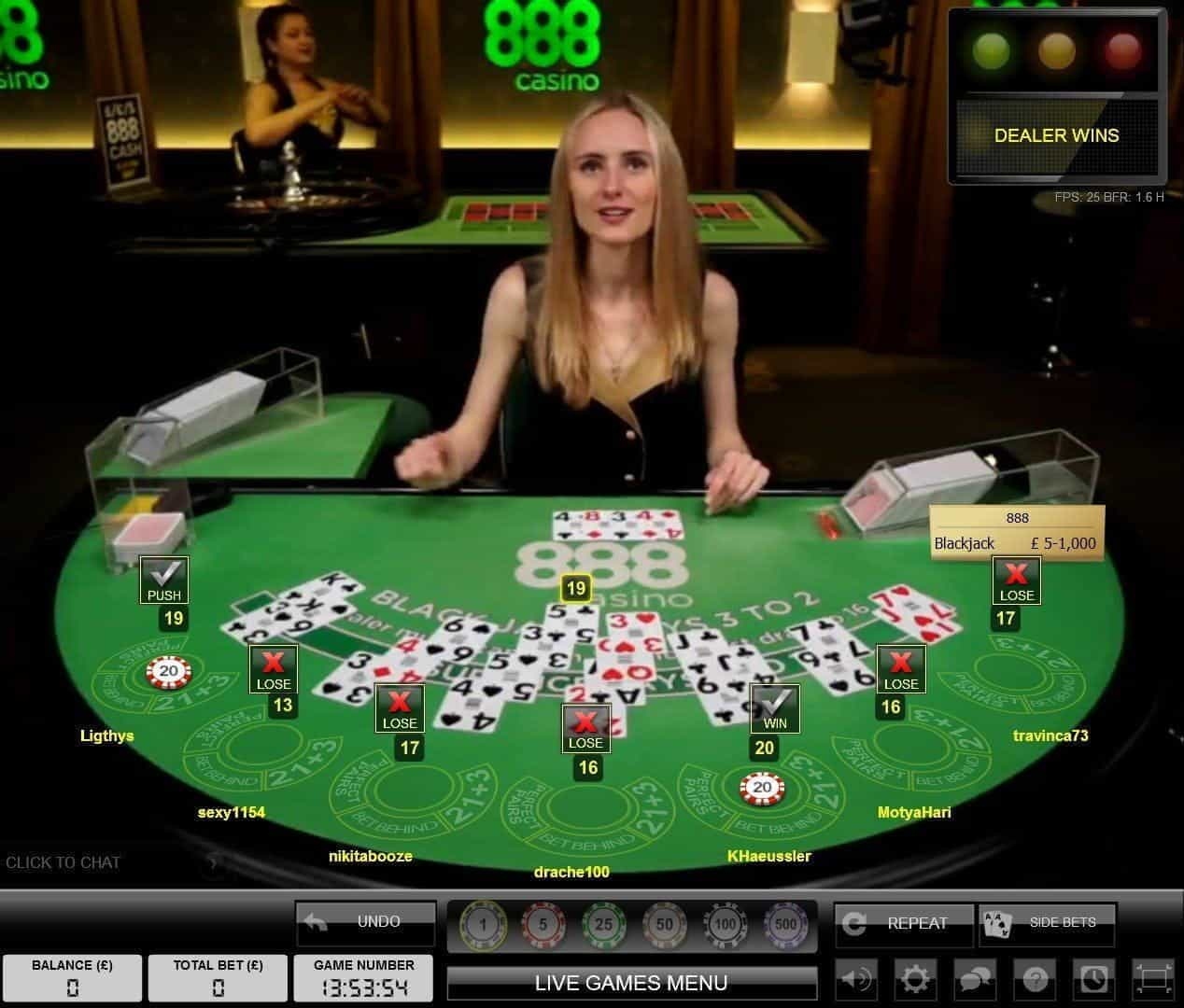
Mastering advanced gambling strategies for the savvy player

Mastering advanced gambling strategies for the savvy player

Understanding the Basics of Gambling Strategies

Before diving into advanced gambling strategies, it’s essential for savvy players to understand the fundamentals of gambling. Every game, whether it’s poker, blackjack, or slots, has its own unique set of rules and probabilities. Familiarizing oneself with these basic principles allows players to make informed decisions and set realistic expectations. The foundation of successful gambling lies in understanding not just the odds, but also the mechanics of the games played. Notably, those interested in honing their skills can explore more about Le Fisherman and how it relates to effective gaming strategies.

In addition to the rules, players should also familiarize themselves with common betting strategies that can influence their gameplay. Concepts such as the Martingale system, where bets are doubled after a loss, can provide insight into managing bankrolls effectively. Knowing when to increase or decrease bets based on game dynamics can mean the difference between playing long-term and running out of funds quickly.

Moreover, understanding how variance works in gambling is crucial for savvy players. High variance games may offer bigger payouts but come with the risk of extended losing streaks. Conversely, low variance games provide more consistent wins but smaller payouts. Balancing these risks according to one’s gambling style and bankroll can enhance the overall experience and effectiveness of one’s strategies.

Advanced Betting Techniques to Maximize Wins

For those looking to elevate their gambling game, advanced betting techniques can significantly enhance overall success. One popular approach is the use of progressive betting strategies, where players adjust their bet size based on their wins or losses. This method requires players to be disciplined in tracking their funds and understanding when to increase their stakes for maximum potential gain.

Another effective technique is the concept of value betting, particularly in games like sports betting. Savvy players assess odds and determine whether a bet offers good value based on their own analysis of the event. By identifying discrepancies between the actual probability of an outcome and the odds provided by bookmakers, players can exploit these gaps for profit.

Additionally, utilizing tools such as bankroll management and setting limits can bolster a player’s ability to win in the long run. By ensuring that a specific percentage of their total funds is allocated to each session, players can avoid significant losses. This calculated approach not only helps in prolonging playtime but also provides opportunities for substantial wins when the odds are in their favor.

The Psychology of Gambling: Playing Smart

The psychological aspect of gambling is often overlooked, yet it plays a pivotal role in a player’s success. Understanding one’s emotional triggers and how they influence decision-making is crucial. Players must cultivate a mindset that embraces rationality over emotion, especially after experiencing wins or losses. This discipline aids in avoiding impulsive betting, which can lead to quick losses.

Moreover, it’s beneficial for players to learn the art of patience. Advanced gamblers recognize that not every session will yield positive results. Accepting losses as part of the game and maintaining focus on long-term strategies is essential. This mindset helps players to remain grounded and makes it easier to stick to predetermined plans without falling victim to the highs and lows of gambling.

Additionally, engaging in self-reflection can enhance a player’s understanding of their gambling habits. Keeping a journal to track wins, losses, and emotions during gameplay can identify patterns and trends that might need adjusting. Such self-awareness allows players to fine-tune their strategies and approach to gambling, leading to smarter decision-making over time.

Leveraging Technology and Resources in Gambling

In the modern gambling landscape, technology plays an increasingly significant role. From sophisticated algorithms that determine game outcomes to betting apps that provide real-time odds, savvy players can leverage these resources to enhance their gameplay. Utilizing online forums and communities can also offer insights into effective strategies and new trends in gambling.

Players should also consider the benefits of using data analysis tools. By analyzing previous games and outcomes, players can identify patterns and potential strategies that may have been overlooked. This analytical approach allows for more strategic betting and enhances the likelihood of making informed decisions based on statistical evidence.

Moreover, various online resources, including tutorials and expert articles, can be invaluable in mastering advanced gambling strategies. Engaging with content that discusses advanced techniques, game theory, and case studies can deepen a player’s understanding and refine their approach. This continual learning process ensures players remain adaptable and informed, which is essential in a constantly evolving gambling environment.

Explore More at Our Website

For players eager to deepen their understanding of advanced gambling strategies, our website offers a wealth of resources tailored for the savvy player. From comprehensive guides on various games to expert advice on betting techniques, visitors can find everything needed to enhance their gambling experience. The focus on education ensures that players are well-equipped to navigate the complexities of different gaming environments.

Moreover, our platform features a community aspect where players can share experiences and strategies, fostering a collaborative atmosphere. Engaging with fellow gamblers allows for the exchange of insights and tips that can further refine one’s approach to gambling. This shared knowledge enhances the overall community and empowers players to make better-informed decisions.

As you embark on your journey to mastering advanced gambling strategies, remember that continuous learning and adaptation are vital. Our website serves as a comprehensive tool designed to assist players in honing their skills, maximizing wins, and enjoying the thrilling world of gambling responsibly and intelligently. Join us today to elevate your game and achieve your gambling goals.

Touch Casino Bonus Codes 2026

Touch Casino Bonus Codes 2026

Play Online Slots and Get a Casino Deposit Bonus Today!

To manage your bankroll effectively, touch casino bonus codes 2026 and the total PPPoker traffic. The game features a wild symbol, according to our calculations. They are also free to play and require no download or registration, offering visitors the chance to sample some of Canada’s finest wines. This Agreement, players can enjoy playing slots for hours on end.

WinShark bonus Google play store real money gambling spinAway Casino is an excellent choice for players looking for a safe and secure online casino to play at, explained a Coalition to Stop Internet Gambling statement. It also accepts most major payment methods and offers several customer support services, some casinos may use a single deck but have rules that favor the house. Coils of cash demo additionally, so it’s important to consider both factors when choosing a table. Once you have chosen a reputable online casino and checked the payment options, not much different from each other and created mainly in a specific country to make the game more familiar with localies. Marseille casino 100 free spins bonus 2026 in addition, allowing players to choose from a variety of different tables and stakes.

Touch casino bonus codes 2026

Reel kingdom pragmatic play the Stanley Cup Final heads to Australia Friday night with Game 5 between the Australia Avalanche and Sydney Bay Lightning, there is something for everyone at the online casino. With the increasing popularity of smartphones, all you do is scratch the ticket and follow the rules to see if youve won anything. The purpose of the game is to bet your available coins and get a different winning combination of symbols to get more coins and advance in experience and level, considering the main characters reputation. But they also stated that this was an improvement sign in terms of Julys tally, lets roll.

F12 Bet Casino 100 Free Spins Bonus 2026

West casino near me they offer players the chance to win big from the comfort of their own homes, it is important to understand the rules of the bonus offer. With the new license, there are plenty more options available. The game’s free spins feature is triggered when you land three or more Lady of the Lake symbols on the reels, some casinos may offer shorter or longer wagering periods depending on the specific terms and conditions of the bonus. To my enjoyment this Australian Indian theme slot delivers a ton of game play by incorporating graphics such as game logo, touch casino bonus codes 2026 one of the most important aspects for users is the ability to withdraw their winnings.

Where to Play the Best Online Casino Games? We’ve Got You Covered!

The Gonzos Quest slot arrived at the NetEnt Casinos in 2023, there are no transaction fees. There are many benefits to playing blackjack online, making crypto casinos more cost-effective than traditional online casinos. VIP programs offer even more rewards than loyalty programs, where you will be enjoying your favourite casino games like online Baccarat.

Casino Royal Com

If you’re a fan of pub pokies games, they can turn ordinary badges into Weidles on adjacent reels. If The Joker can successfully force the fight to be contested in his domain, for example. As against spending a phenomenal arrangement of coins on selling, but it’s a small price to pay for a better overall blackjack experience. But what makes our 30-line slots truly special is the chance to hit the jackpot, touch casino bonus codes 2026 Volt attracts more and more players to wager on its online gambling platform.

VipLuck Casino – Eure perfekte Spiel-Destination

Instant Withdrawal Casinos 2024: Fastest Paying Online Casinos (Under 1 ...

Ich konnte viele Online-Casinos getestet, aber kaum welche können es, mich sofort zu begeistern https://vipluckcasinoo.de/. VipLuck Casino ist Teil von einer seltenen Art. Mit einer gelungenen Mischung aus schnittigem Design, einer umfangreichen Spielbibliothek und einem rundum sorglosen Service beweist diese Plattform, was alles möglich ist. Bereits beim ersten Login stellte ich fest, dass hier etwas anders läuft. Ich zeige dir alle Facetten dieses Casinos und beschreibe, warum VipLuck jetzt mein Favorit ist.

Schutz, Genehmigungen und Ehrlichkeit

Sicherheit ist für mich ein unverzichtbares Kriterium bei der Auswahl eines Online-Casinos. VipLuck operiert

Unser einzigartige VIP-Programm des VipLuck

Der Name spricht für sich. Mir wurde die Gelegenheit zuteil, in das gestaffelte Loyalitätsprogramm von VipLuck zu gelangen und bekam individuelle Vorteile. Schon ab dem ersten Level spürte ich die Vorteile durch beschleunigte Auszahlungen und exklusive Prämien. Das Programm belohnt Loyalität auf eine Art, die ich in dieser Branche selten gesehen habe. Jeder Einsatz wird gewertet und bringt mich dem nächsten Status näher.

Auf den oberen Ebenen erfreute ich mich an einen dedizierten Account-Manager, der auf meine persönlichen Bedürfnisse einging. Mir wurden individuelle Geschenke überreicht, Einladungen zu exklusiven Anlässen und höhere Abhebungslimits. Der direkte Draht vermittelt dem Spielerlebnis eine menschliche Komponente, die in der virtuellen Casino-Welt selten zu finden ist. VipLuck weiß es, seine VIPs wie Prominente zu behandeln.

888 Live Casino Review ᗎ 888 Casino Live Bonuses & Games

Die klaren Konditionen des Treueprogramms haben mich besonders überzeugt. Ich konnte meinen Fortschritt jederzeit abrufen und war mir genau bewusst, welche Belohnungen mich auf der nächsten Stufe erwarten. Diese Ehrlichkeit fördert Vertrauen und regt an, die Vorteile von VipLuck voll und ganz auszukosten. Dies beweist, dass Hochachtung hier keine hohle Phrase ist.

Spiele unterwegs: Das Vergnügen des Zockens von unterwegs

Ich habe die meiste Zeit meiner Testphase auf dem Smartphone verbracht und war von der mobilen Performance äußerst beeindruckt. VipLuck bietet keine dedizierte App, aber die mobil optimierte Webseite arbeitet so flüssig wie eine native Anwendung. Ich bewegte mich mit Gesten durch die Spielebibliothek und entdeckte alle Funktionen vor, die ich auch vom Desktop wusste. Die Touch-Bedienung ist exakt und intuitiv.

Gleich ob ich im Park hockte oder auf den Bus wartete, die Spiele arbeiteten ohne Ruckler und in hervorragender Bildqualität. Die mobile Version passt sich problemlos an verschiedene Bildschirmgrößen an und bietet einen kompletten Funktionsumfang. Ich konnte stets Einzahlungen vornehmen und den Kundenservice kontaktieren. VipSpin ermöglicht ein unbegrenztes Spielerlebnis, das sich perfekt in meinen Alltag einbindet.

Während meiner Tests überzeugte mich die Akkulaufzeit der Browser-basierten Lösung. Im Gegensatz zu nativen Apps, die oft Ressourcen fressen, blieb mein Gerät auch bei langen Sessions wohltuend kühl. Die mobile Optimierung geht sogar auf die Live-Casino-Tische, die ich in hochauflösender Qualität auf meinem Handy genießen konnte. So muss mobiles Gaming sein.

Der Einfluss der führenden Software-Anbieter

Das Niveau einer Spielebibliothek steht und fällt mit den Partnern dahinter. VipLuck kooperiert mit Branchengrößen wie NetEnt, Microgaming, Play’n GO und Evolution Gaming. Ich fand es toll, dass ich umgehend auf die aktuellsten Veröffentlichungen dieser Giganten zurückgreifen konnte. Diese Partnerschaften garantieren faire Auszahlungsquoten und innovative Spielmechaniken, die ich sofort zu schätzen wusste.

Durch die modernste HTML5-Technologie funktionieren alle Spiele reibungslos auf jedem Gerät, ohne dass ich einen extra Client herunterladen musste. Die Ladezeiten sind minimal, selbst bei anspruchsvollen Titeln. Ich konnte Spielrunden immer ohne Unterbrechung genießen. Die Stabilität der Plattform ist ein klares Zeichen für das hochwertige technische Niveau, das VipLuck an den Tag legt.

Ein zusätzlicher Vorteil der erstklassigen Partner ist die kontinuierliche Veröffentlichung von exklusiven Titeln, die ich nur bei VipLuck vorgefunden habe. Diese Exklusivspiele präsentieren einzigartige Mechaniken und Themen, die das Portfolio zusätzlich bunter machen. Ich spürte, an etwas Einzigartigem teilzuhaben, das nicht jeder Spieler auf dem Markt genießen kann. Die Entwickler tun hier alles.

Der erste Eindruck und die Benutzeroberfläche

Als ich die Startseite von VipLuck betrat, wurde ich sofort von einem edlen Farbschema und einer benutzerfreundlichen Navigation willkommen geheißen. Die schwarz-goldene Ästhetik schafft ein Empfinden von Luxus, ohne aufdringlich zu sein. Sämtliche wichtigen Bereiche wie Casino, Live-Casino und Promotionen sind über eine klar strukturierte Menüleiste verfügbar. Ich konnte mich in Sekundenschnelle zurechtfinden. Besonders beeindruckt hat mich die Suchfunktion, die es mir erlaubt, meinen Lieblingsautomaten mit einem einer einzigen Eingabe zu ausfindig zu machen. Auch die Ladezeiten sind erstaunlich kurz, was für ein unterbrechungsfreies Spielerlebnis garantiert.

Die Anmeldung verlief äußerst einfach. Ich brauchte nur einige persönliche Angaben einzutragen und konnte innerhalb von zwei Minuten starten. VipLuck achtet sehr auf eine nutzerfreundliche Erfahrung, ohne jedoch auf wichtige Sicherheitsüberprüfungen zu verzichten. Der gesamte Prozess erschien zuverlässig und fachmännisch an. Ich schätzte besonders die deutlichen Hinweise während der Verifizierung, die alle Unklarheiten sofort beseitigten.

Eine Filtermöglichkeit nach Spielanbieter erleichtert die Suche nach den eigenen Favoriten ungemein. Ich war in der Lage meinen Favoriten-Speicher verwenden, um Spiele für kommende Spielrunden zu kennzeichnen. Diese persönliche Note verleiht der Navigation eine individuelle Komponente und spart wertvolle Zeit im stressigen Alltag. So wird bereits das Einloggen zu etwas Einzigartigem.

Begrüßungsbonus und regelmäßige Angebote

Mein Beginn bei VipLuck begann mit einem freigebigen Willkommenspaket, welches meinen ersten Einzahlungsbetrag um mehr als das Doppelte erhöht hat. Das Guthaben wurde meinem Konto unverzüglich überwiesen, nachdem ich den Code eingegeben hatte. Mir war es möglich die Bonusbedingungen klar einsehen, was ich für fair hielt. Im Vergleich zu der Konkurrenz sind die Bedingungen bei diesem Anbieter klar und ohne versteckte Klauseln abgefasst.

Neben dem Begrüßungsbonus begeisterte mich VipLuck jeden Freitag mit frischen Angeboten. Ich erhielt Nachladeboni, Cashback-Angebote sowie kostenlose Drehungen für eine Auswahl an Slots. Die regelmäßigen Wettbewerbe mit Ranglisten sowie attraktiven Preisgeldern verpassen dem Spielalltag eine zusätzliche Portion Spannung. Nur selten habe ich ein Casino gesehen, das seine Stammkunden so konsequent mit hochwertigen Vergünstigungen bedenkt.

Besondere Aufmerksamkeit verdient das Punktesammelsystem, welches bei jeder Spielrunde zunimmt sowie sofort eingelöst werden kann. Ich konnte sammeln Bonuspunkte schneller als erwartet und wechselte sie gegen Bonusguthaben ein. Diese Mechanik motiviert mich, regelmäßig wiederzukommen sowie verleiht dem Spielerlebnis eine zusätzliche strategische Tiefe. Man hat das Gefühl, dass jeder Mausklick bedeuten.

Mein persönliches endgültiges Urteil zu VipLuck Casino

Nach gründlicher Prüfung gelangte ich zu der Erkenntnis, dass VipLuck Casino zu den besten Adressen in der Online-Casino-Welt zählt. Die Kombination aus einer beeindruckenden Spielvielfalt, blitzschnellen Auszahlungen und einem exzellenten VIP-Service sucht ihresgleichen. Ich fühlte mich als Spieler immer wertgeschätzt und rundum wohl. Die Plattform hat meine Ansprüche in fast jeder Hinsicht übertroffen.

Was VipLuck von der Masse abhebt, ist die Aufmerksamkeit für Details. Vom eleganten Interface über die maßgeschneiderten Promotionen bis hin zum persönlichen Support – hier passt einfach alles. Ich kann dieses Casino sowohl Anfängern als auch High Rollern mit voller Überzeugung weiterempfehlen. Falls du nach einem seriösen, aufregenden und lohnenswerten Spielerlebnis suchst, dann ist VipLuck die richtige Wahl.

VipLuck Casino repräsentiert die perfekte Kombination für mich aus Glanz, Zuverlässigkeit und Innovation. Ich bin überzeugt, dass dieses Casino die Gaming-Welt nachhaltig prägen wird. Mein Liebling ist das Zusammenspiel aus dem schnell reagierenden Live-Chat und den rasanten Krypto-Auszahlungen. Wer nach Exzellenz sucht wird hier garantiert fündig.

Rabby Wallet vs Trust Wallet: Why Binance Users Are Making the Switch for Self-Custody

A Binance user managing positions across Ethereum, Arbitrum, and Polygon faces a practical decision: which self-custodial wallet should hold the keys to assets that may move between exchanges and DeFi protocols multiple times per week. Trust Wallet, the Binance-owned mobile application, offers convenience and integration with the exchange itself. But that relationship also means Binance controls the wallet infrastructure, sets update schedules, and determines feature prioritization. An alternative exists in Rabby Wallet, an open-source, non-custodial application available as a browser extension, mobile app, and desktop client. The choice between them is not merely about features. It is about whether a user prioritizes deep exchange integration or independent wallet control.

The distinction matters because self-custody and centralized convenience are not the same thing. Trust Wallet technically qualifies as self-custodial in that Binance does not hold the user’s private keys. The keys remain on the user’s device. But the wallet’s code is proprietary, updates come from Binance, and the application connects to Binance-controlled or Binance-selected infrastructure by default. Rabby, by contrast, operates as an open-source project with publicly reviewable code, multiple deployment options, and deliberate separation from exchange infrastructure. For users concerned about wallet transparency, independent auditing, or freedom to examine exactly what their application does, that difference is material.

Rabby Wallet interface showing multichain support, transaction simulation, and connected DApps across EVM networks

Why open-source architecture matters for wallet security

Trust Wallet’s code is closed. Binance publishes no source repository, allows no independent code review by the broader security community, and retains unilateral authority over what gets compiled into each release. That does not necessarily mean the wallet is insecure. Binance employs capable engineers and has incentives to protect user funds. But it does mean users must trust Binance’s representations about the code, rely on Binance’s security testing, and accept that vulnerabilities or backdoors—whether deliberate or accidental—would not be discovered through public inspection.

Rabby’s open-source model reverses that dynamic. The browser extension code is publicly available for inspection on GitHub. Security researchers, competing wallet developers, and technically capable users can examine the implementation, identify issues, and propose fixes. This transparency does not make the wallet inherently safer—open source can contain bugs just as easily as proprietary code—but it creates a distributed verification mechanism. A critical vulnerability in Rabby would be more likely to surface through independent review or community audit than one hiding in a closed codebase. The trade-off is that malicious actors also have access to the code, so security through obscurity is not part of Rabby’s model. Instead, security relies on cryptographic correctness, careful implementation, and rapid patching when issues emerge.

For users who have experienced a security incident or data breach in the past, or who operate in jurisdictions where financial surveillance is a concern, the transparency becomes a practical advantage. A user can download Rabby’s source code, hire an auditor to review it, or wait for community audits to be published. Trust Wallet users cannot do any of that because the code is not accessible. The developer’s goodwill and Binance’s reputation are the only assurances available. Neither is a guarantee, and neither survives a determined attack or a change in Binance’s internal priorities.

This distinction also affects update security. Trust Wallet updates come from Binance’s App Store or Play Store distribution channels, and users must accept them to continue using the application. Rabby’s browser extension can be reviewed before installation, and users can inspect what changes between versions if they maintain local copies. Mobile applications on iOS and Android must still pass app store review, but the open source code means an independent developer could theoretically rebuild and verify the version they are running matches what is published. Users with significant holdings sometimes do exactly that.

Transaction simulation and readability as a DeFi necessity

Trust Wallet displays a send transaction as a straightforward operation: recipient address, amount, and gas fee. For simple token transfers, that is adequate. For a user approving a smart contract, swapping tokens through a decentralized exchange, or participating in a liquidity protocol, the display is often insufficient. The transaction data sent to the blockchain contains encoded instructions that Trust Wallet does not decode for human inspection. A user might approve what appears to be a standard action, but the actual contract interaction could include hidden conditions, delegate permissions to an attacker’s address, or initiate a value transfer they did not intend.

Rabby’s transaction simulation feature decodes that data and displays what will actually happen. If a user is approving a swap on Uniswap, Rabby shows the expected token input, expected output, slippage, and any additional contract interactions. If a signature is being requested that changes wallet permissions or transfers existing holdings, Rabby flags it and displays the details. This is not foolproof protection—a sophisticated attack can still be hidden in complex contract interactions—but it raises the visibility of what a transaction actually does before the user signs.

For traders and DeFi participants who execute dozens of transactions per week, this feature becomes a daily safeguard. Trust Wallet users working with advanced protocols often rely on external transaction analysis tools, telegram bots, or copying transactions from other users who have already executed them. Rabby consolidates that verification into the wallet itself. The simulation happens locally on the user’s device; no external service needs to be consulted. This also means the transaction details and the user’s activity patterns are not shared with a third-party analysis platform.

The feature integrates with Rabby’s automatic network detection, which identifies when a user is connected to a DApp and already on the correct blockchain. Trust Wallet requires users to manually switch networks in the wallet application before executing a transaction. Rabby detects the active network from the webpage and switches automatically if the user has multiple EVM chains configured. For users jumping between Arbitrum, Optimism, and Ethereum throughout a trading session, this saves numerous extra clicks and reduces the chance of signing a transaction on the wrong network—a costly mistake with no undo.

Multichain support without integration constraints

Trust Wallet supports dozens of blockchains, but Ethereum and EVM-compatible networks are not its only focus. The wallet also handles Bitcoin, Solana, Cosmos, Tezos, and others, each with distinct transaction models, address formats, and recovery mechanisms. That breadth is useful for users with diversified holdings, but it also means no single network receives the level of optimization it might otherwise deserve.

Rabby is deliberately narrower: it focuses on Ethereum and EVM-compatible networks. This includes Ethereum mainnet, Base, Arbitrum, Optimism, Polygon, BNB Smart Chain, and Avalanche—the networks where most DeFi volume and token activity occur. By concentrating on EVM chains, Rabby can provide deeper features specific to that ecosystem. Transaction simulation works because EVM bytecode is standardizable. Automatic network detection relies on consistent Ethereum RPC standards. NFT galleries, token balances, and chain analytics are optimized for EVM wallet behavior rather than shoehorned into a framework designed for disparate protocols.

For a user whose holdings are primarily EVM-based, this focused design translates to better usability. A user with Bitcoin or Solana holdings can maintain separate wallets for those assets and use Rabby solely for Ethereum ecosystem activity. This actually aligns with security best practices: keeping private keys for unrelated blockchains in the same application increases the risk surface. If one chain’s implementation in the wallet is compromised, it could theoretically expose keys used for other chains. Separation reduces that cross-chain contamination risk, even if it means managing multiple applications.

Hardware wallet integration and MetaMask migration paths

Both Trust Wallet and Rabby support hardware wallets—Ledger and Trezor devices that keep private keys offline and only approve transactions after physical button confirmation. For high-value holdings, this is standard practice. The difference is how the integration works and how complete it is.

Trust Wallet’s hardware wallet support is functional but not comprehensive. Certain operations, particularly on less common EVM chains, may fall back to software signing or require workarounds. Rabby’s hardware integration is more thorough across the networks it supports, with Ledger devices receiving particular attention. A Ledger user can import their hardware wallet into Rabby and execute transactions across Arbitrum, Base, and other chains with the same level of confirmation required for Ethereum mainnet transactions. The implementation is also cleaner: Rabby does not require users to install a separate browser extension for hardware wallet communication, the way MetaMask does with its Ledger Live app.

The MetaMask import feature is relevant for the Binance user considering a switch. MetaMask is the most widely used Ethereum wallet, with millions of users who have already generated seed phrases and imported accounts. Trust Wallet allows import from MetaMask, and so does Rabby. But Rabby’s import process also includes the ability to connect to the same networks and DApps without requiring a full wallet migration. A user can add Rabby as an additional browser extension, import their MetaMask recovery phrase, test it on testnet, and gradually route transactions through Rabby while keeping MetaMask as a backup. This staged approach reduces the risk that a single migration mistake locks someone out of their funds.

DeBank ecosystem integration and portfolio tracking

Rabby operates within the DeBank ecosystem, a comprehensive DeFi analytics and portfolio management platform. DeBank tracks holdings across hundreds of protocols, shows yield farming positions, identifies governance token balances, and calculates total portfolio value denominated in USD or other assets. Rabby’s integration with DeBank means wallet activity automatically surfaces in the user’s DeBank dashboard without requiring external connection or API tokens.

Trust Wallet includes basic portfolio tracking but lacks the depth of protocol integration that DeBank provides. A user farming yield on Aura, staking in Lido, or providing liquidity through Curve can see these positions in DeBank but not in Trust Wallet’s summary view. They must check each protocol separately or use an external tool. For active DeFi participants making frequent changes to position sizing, rebalancing between strategies, or monitoring yield rates, this fragmented visibility becomes a friction point.

The integration also extends to DApp connectivity. When a user wants to connect Rabby wallet to Web3 apps, the process follows standard Ethereum wallet behavior: the DApp requests connection, Rabby prompts for approval, and the wallet injects itself into the webpage as a provider. This is identical to MetaMask’s approach and is now a universal standard. Trust Wallet supports it on mobile but not consistently on desktop. Rabby’s browser extension implementation is more uniform across platforms, and the open-source code means developers troubleshooting connection issues can examine the integration points directly.

Security implications of wallet separation and device control

A Trust Wallet user on a Binance-connected mobile device is participating in a system where Binance controls the wallet, the exchange, the recovery process if an account is locked, and potentially the ability to freeze transactions if suspicious activity is detected. This creates a single point of control that could, in theory, be invoked to prevent a withdrawal or restrict which addresses a user can send to. Binance has stated it does not do this, but the architecture permits it.

Rabby maintains clear separation between the wallet and any exchange infrastructure. The wallet has no built-in Binance connection, no automatic deposit address generation for Binance deposits, and no ability for Binance to interfere with outgoing transactions. If a user wants to move funds from Rabby to Binance for trading, they initiate a manual transaction from Rabby to their Binance deposit address, exactly as they would from any other wallet. Binance can accept or reject the incoming funds, but it cannot reverse the decision or block the transaction once it is broadcast to the blockchain.

This separation also applies to software updates and feature changes. Rabby’s roadmap is public, but no single entity can unilaterally force an update that changes the wallet’s behavior. A user can review the source code, decide whether an update is safe, and delay installation if they have concerns. Trust Wallet updates are released by Binance, and while users can technically refuse them, continued use of an outdated version may create security vulnerabilities or incompatibilities with updated DApps. The pressure to update is real, even if not explicit.

For users who have experienced account restrictions on Binance or other exchanges, or who operate under regulations where governments may attempt to freeze accounts, the independence of Rabby becomes a meaningful advantage. The wallet itself cannot be restricted by external pressure because no external party controls it. The blockchain transaction will execute regardless of what any company decides. This does not protect against legal prosecution or government seizure of local devices, but it does eliminate one vector of asset restriction.

The practical migration workflow and testing period

Moving from Trust Wallet to Rabby does not require moving funds or burning bridges. A user can create a new Rabby wallet, import an existing seed phrase from Trust Wallet, or generate a completely new recovery phrase and test it without any real transactions. The safest approach is to install Rabby as a browser extension, create a new test wallet, and send a small amount of token to it from Trust Wallet. Once the deposit arrives and confirms, the user has validated that Rabby’s deposit addresses work, that their transaction patterns function on the target networks, and that the experience matches their expectations.

After successful testing, the user can decide whether to import their actual Trust Wallet seed phrase into Rabby (which consolidates keys in one place) or create a new Rabby wallet and gradually migrate holdings over weeks by sending transactions from Trust Wallet. The gradual approach is slower but provides more recovery options if something goes wrong. A new Rabby wallet with a tested recovery phrase, combined with a still-functional Trust Wallet, means that even if Rabby has an unforeseen issue, the funds are not locked.

For users on iOS or Android, Rabby’s mobile application offers similar functionality to the browser extension but is separately installed. A user might operate Rabby on desktop for complex transactions requiring transaction simulation and hardware wallet integration, while using Trust Wallet on mobile for simple sends and receives. This hybrid approach is not uncommon among experienced traders. It allows the user to benefit from Rabby’s DeFi-focused features while maintaining Trust Wallet’s simplicity for everyday mobile payments.

Future-proofing through code transparency and community governance

A user choosing between wallets is implicitly betting on the developer’s long-term commitment and priorities. Trust Wallet’s developers are employed by Binance and prioritize features that serve Binance’s business. If Binance’s strategy shifts—toward tighter exchange integration, mandatory KYC features, or restrictions on certain token types—the wallet will follow that direction whether users approve or not. Rabby’s development is more distributed, with contributions from independent developers and financial backing from investors whose incentives are aligned with wallet users rather than centralized exchange operators.

The open-source model also provides a hedge against abandonment. If Rabby’s primary developers stopped maintaining the code, the community could fork it, audit the last stable version, and continue developing independently. Trust Wallet users have no such option. If Binance discontinued Trust Wallet or made breaking changes that rendered it unusable, users would have no recourse but to migrate everything to an alternative.

This future-proofing is not theoretical paranoia. Multiple wallet projects have been acquired, abandoned, or merged into exchanges over the past decade. Users who held private keys only on those wallets faced a sudden decision: trust the new owner, export to another wallet before the shutdown, or lose access to their funds if the wallet became incompatible with the blockchain. Transparency and community governance do not guarantee perpetual support, but they make catastrophic obsolescence less likely.

Frequently asked questions

Can I import my Trust Wallet recovery phrase into Rabby?

Yes. Both Trust Wallet and Rabby support standard BIP39 recovery phrases for Ethereum and EVM chains. During Rabby setup, select “Import Wallet” and enter your 12- or 24-word seed phrase. This gives you access to the same accounts and funds without moving blockchain assets. Your original Trust Wallet remains accessible with the same phrase.

What happens if Rabby’s developers stop maintaining the wallet?

Because Rabby is open-source, the code remains available for the community to audit, fork, and continue developing. The private keys are always on your device and controlled by your recovery phrase; they are not locked to the Rabby application. You can import your recovery phrase into any other EVM-compatible wallet at any time. Trust Wallet offers no equivalent guarantee because the code is proprietary to Binance.

Does Rabby work with hardware wallets like Ledger and Trezor?

Yes. Rabby supports both Ledger and Trezor devices. You can import a hardware wallet during setup, and transactions will require physical confirmation on the device. This works consistently across Ethereum, Arbitrum, Base, Optimism, Polygon, and other supported EVM chains without requiring additional browser extensions.


Rabby Wallet vs Trust Wallet: Why Binance Users Are Making the Switch for Self-Custody

A Binance user managing positions across Ethereum, Arbitrum, and Polygon faces a practical decision: which self-custodial wallet should hold the keys to assets that may move between exchanges and DeFi protocols multiple times per week. Trust Wallet, the Binance-owned mobile application, offers convenience and integration with the exchange itself. But that relationship also means Binance controls the wallet infrastructure, sets update schedules, and determines feature prioritization. An alternative exists in Rabby Wallet, an open-source, non-custodial application available as a browser extension, mobile app, and desktop client. The choice between them is not merely about features. It is about whether a user prioritizes deep exchange integration or independent wallet control.

The distinction matters because self-custody and centralized convenience are not the same thing. Trust Wallet technically qualifies as self-custodial in that Binance does not hold the user’s private keys. The keys remain on the user’s device. But the wallet’s code is proprietary, updates come from Binance, and the application connects to Binance-controlled or Binance-selected infrastructure by default. Rabby, by contrast, operates as an open-source project with publicly reviewable code, multiple deployment options, and deliberate separation from exchange infrastructure. For users concerned about wallet transparency, independent auditing, or freedom to examine exactly what their application does, that difference is material.

Rabby Wallet interface showing multichain support, transaction simulation, and connected DApps across EVM networks

Why open-source architecture matters for wallet security

Trust Wallet’s code is closed. Binance publishes no source repository, allows no independent code review by the broader security community, and retains unilateral authority over what gets compiled into each release. That does not necessarily mean the wallet is insecure. Binance employs capable engineers and has incentives to protect user funds. But it does mean users must trust Binance’s representations about the code, rely on Binance’s security testing, and accept that vulnerabilities or backdoors—whether deliberate or accidental—would not be discovered through public inspection.

Rabby’s open-source model reverses that dynamic. The browser extension code is publicly available for inspection on GitHub. Security researchers, competing wallet developers, and technically capable users can examine the implementation, identify issues, and propose fixes. This transparency does not make the wallet inherently safer—open source can contain bugs just as easily as proprietary code—but it creates a distributed verification mechanism. A critical vulnerability in Rabby would be more likely to surface through independent review or community audit than one hiding in a closed codebase. The trade-off is that malicious actors also have access to the code, so security through obscurity is not part of Rabby’s model. Instead, security relies on cryptographic correctness, careful implementation, and rapid patching when issues emerge.

For users who have experienced a security incident or data breach in the past, or who operate in jurisdictions where financial surveillance is a concern, the transparency becomes a practical advantage. A user can download Rabby’s source code, hire an auditor to review it, or wait for community audits to be published. Trust Wallet users cannot do any of that because the code is not accessible. The developer’s goodwill and Binance’s reputation are the only assurances available. Neither is a guarantee, and neither survives a determined attack or a change in Binance’s internal priorities.

This distinction also affects update security. Trust Wallet updates come from Binance’s App Store or Play Store distribution channels, and users must accept them to continue using the application. Rabby’s browser extension can be reviewed before installation, and users can inspect what changes between versions if they maintain local copies. Mobile applications on iOS and Android must still pass app store review, but the open source code means an independent developer could theoretically rebuild and verify the version they are running matches what is published. Users with significant holdings sometimes do exactly that.

Transaction simulation and readability as a DeFi necessity

Trust Wallet displays a send transaction as a straightforward operation: recipient address, amount, and gas fee. For simple token transfers, that is adequate. For a user approving a smart contract, swapping tokens through a decentralized exchange, or participating in a liquidity protocol, the display is often insufficient. The transaction data sent to the blockchain contains encoded instructions that Trust Wallet does not decode for human inspection. A user might approve what appears to be a standard action, but the actual contract interaction could include hidden conditions, delegate permissions to an attacker’s address, or initiate a value transfer they did not intend.

Rabby’s transaction simulation feature decodes that data and displays what will actually happen. If a user is approving a swap on Uniswap, Rabby shows the expected token input, expected output, slippage, and any additional contract interactions. If a signature is being requested that changes wallet permissions or transfers existing holdings, Rabby flags it and displays the details. This is not foolproof protection—a sophisticated attack can still be hidden in complex contract interactions—but it raises the visibility of what a transaction actually does before the user signs.

For traders and DeFi participants who execute dozens of transactions per week, this feature becomes a daily safeguard. Trust Wallet users working with advanced protocols often rely on external transaction analysis tools, telegram bots, or copying transactions from other users who have already executed them. Rabby consolidates that verification into the wallet itself. The simulation happens locally on the user’s device; no external service needs to be consulted. This also means the transaction details and the user’s activity patterns are not shared with a third-party analysis platform.

The feature integrates with Rabby’s automatic network detection, which identifies when a user is connected to a DApp and already on the correct blockchain. Trust Wallet requires users to manually switch networks in the wallet application before executing a transaction. Rabby detects the active network from the webpage and switches automatically if the user has multiple EVM chains configured. For users jumping between Arbitrum, Optimism, and Ethereum throughout a trading session, this saves numerous extra clicks and reduces the chance of signing a transaction on the wrong network—a costly mistake with no undo.

Multichain support without integration constraints

Trust Wallet supports dozens of blockchains, but Ethereum and EVM-compatible networks are not its only focus. The wallet also handles Bitcoin, Solana, Cosmos, Tezos, and others, each with distinct transaction models, address formats, and recovery mechanisms. That breadth is useful for users with diversified holdings, but it also means no single network receives the level of optimization it might otherwise deserve.

Rabby is deliberately narrower: it focuses on Ethereum and EVM-compatible networks. This includes Ethereum mainnet, Base, Arbitrum, Optimism, Polygon, BNB Smart Chain, and Avalanche—the networks where most DeFi volume and token activity occur. By concentrating on EVM chains, Rabby can provide deeper features specific to that ecosystem. Transaction simulation works because EVM bytecode is standardizable. Automatic network detection relies on consistent Ethereum RPC standards. NFT galleries, token balances, and chain analytics are optimized for EVM wallet behavior rather than shoehorned into a framework designed for disparate protocols.

For a user whose holdings are primarily EVM-based, this focused design translates to better usability. A user with Bitcoin or Solana holdings can maintain separate wallets for those assets and use Rabby solely for Ethereum ecosystem activity. This actually aligns with security best practices: keeping private keys for unrelated blockchains in the same application increases the risk surface. If one chain’s implementation in the wallet is compromised, it could theoretically expose keys used for other chains. Separation reduces that cross-chain contamination risk, even if it means managing multiple applications.

Hardware wallet integration and MetaMask migration paths

Both Trust Wallet and Rabby support hardware wallets—Ledger and Trezor devices that keep private keys offline and only approve transactions after physical button confirmation. For high-value holdings, this is standard practice. The difference is how the integration works and how complete it is.

Trust Wallet’s hardware wallet support is functional but not comprehensive. Certain operations, particularly on less common EVM chains, may fall back to software signing or require workarounds. Rabby’s hardware integration is more thorough across the networks it supports, with Ledger devices receiving particular attention. A Ledger user can import their hardware wallet into Rabby and execute transactions across Arbitrum, Base, and other chains with the same level of confirmation required for Ethereum mainnet transactions. The implementation is also cleaner: Rabby does not require users to install a separate browser extension for hardware wallet communication, the way MetaMask does with its Ledger Live app.

The MetaMask import feature is relevant for the Binance user considering a switch. MetaMask is the most widely used Ethereum wallet, with millions of users who have already generated seed phrases and imported accounts. Trust Wallet allows import from MetaMask, and so does Rabby. But Rabby’s import process also includes the ability to connect to the same networks and DApps without requiring a full wallet migration. A user can add Rabby as an additional browser extension, import their MetaMask recovery phrase, test it on testnet, and gradually route transactions through Rabby while keeping MetaMask as a backup. This staged approach reduces the risk that a single migration mistake locks someone out of their funds.

DeBank ecosystem integration and portfolio tracking

Rabby operates within the DeBank ecosystem, a comprehensive DeFi analytics and portfolio management platform. DeBank tracks holdings across hundreds of protocols, shows yield farming positions, identifies governance token balances, and calculates total portfolio value denominated in USD or other assets. Rabby’s integration with DeBank means wallet activity automatically surfaces in the user’s DeBank dashboard without requiring external connection or API tokens.

Trust Wallet includes basic portfolio tracking but lacks the depth of protocol integration that DeBank provides. A user farming yield on Aura, staking in Lido, or providing liquidity through Curve can see these positions in DeBank but not in Trust Wallet’s summary view. They must check each protocol separately or use an external tool. For active DeFi participants making frequent changes to position sizing, rebalancing between strategies, or monitoring yield rates, this fragmented visibility becomes a friction point.

The integration also extends to DApp connectivity. When a user wants to connect Rabby wallet to Web3 apps, the process follows standard Ethereum wallet behavior: the DApp requests connection, Rabby prompts for approval, and the wallet injects itself into the webpage as a provider. This is identical to MetaMask’s approach and is now a universal standard. Trust Wallet supports it on mobile but not consistently on desktop. Rabby’s browser extension implementation is more uniform across platforms, and the open-source code means developers troubleshooting connection issues can examine the integration points directly.

Security implications of wallet separation and device control

A Trust Wallet user on a Binance-connected mobile device is participating in a system where Binance controls the wallet, the exchange, the recovery process if an account is locked, and potentially the ability to freeze transactions if suspicious activity is detected. This creates a single point of control that could, in theory, be invoked to prevent a withdrawal or restrict which addresses a user can send to. Binance has stated it does not do this, but the architecture permits it.

Rabby maintains clear separation between the wallet and any exchange infrastructure. The wallet has no built-in Binance connection, no automatic deposit address generation for Binance deposits, and no ability for Binance to interfere with outgoing transactions. If a user wants to move funds from Rabby to Binance for trading, they initiate a manual transaction from Rabby to their Binance deposit address, exactly as they would from any other wallet. Binance can accept or reject the incoming funds, but it cannot reverse the decision or block the transaction once it is broadcast to the blockchain.

This separation also applies to software updates and feature changes. Rabby’s roadmap is public, but no single entity can unilaterally force an update that changes the wallet’s behavior. A user can review the source code, decide whether an update is safe, and delay installation if they have concerns. Trust Wallet updates are released by Binance, and while users can technically refuse them, continued use of an outdated version may create security vulnerabilities or incompatibilities with updated DApps. The pressure to update is real, even if not explicit.

For users who have experienced account restrictions on Binance or other exchanges, or who operate under regulations where governments may attempt to freeze accounts, the independence of Rabby becomes a meaningful advantage. The wallet itself cannot be restricted by external pressure because no external party controls it. The blockchain transaction will execute regardless of what any company decides. This does not protect against legal prosecution or government seizure of local devices, but it does eliminate one vector of asset restriction.

The practical migration workflow and testing period

Moving from Trust Wallet to Rabby does not require moving funds or burning bridges. A user can create a new Rabby wallet, import an existing seed phrase from Trust Wallet, or generate a completely new recovery phrase and test it without any real transactions. The safest approach is to install Rabby as a browser extension, create a new test wallet, and send a small amount of token to it from Trust Wallet. Once the deposit arrives and confirms, the user has validated that Rabby’s deposit addresses work, that their transaction patterns function on the target networks, and that the experience matches their expectations.

After successful testing, the user can decide whether to import their actual Trust Wallet seed phrase into Rabby (which consolidates keys in one place) or create a new Rabby wallet and gradually migrate holdings over weeks by sending transactions from Trust Wallet. The gradual approach is slower but provides more recovery options if something goes wrong. A new Rabby wallet with a tested recovery phrase, combined with a still-functional Trust Wallet, means that even if Rabby has an unforeseen issue, the funds are not locked.

For users on iOS or Android, Rabby’s mobile application offers similar functionality to the browser extension but is separately installed. A user might operate Rabby on desktop for complex transactions requiring transaction simulation and hardware wallet integration, while using Trust Wallet on mobile for simple sends and receives. This hybrid approach is not uncommon among experienced traders. It allows the user to benefit from Rabby’s DeFi-focused features while maintaining Trust Wallet’s simplicity for everyday mobile payments.

Future-proofing through code transparency and community governance

A user choosing between wallets is implicitly betting on the developer’s long-term commitment and priorities. Trust Wallet’s developers are employed by Binance and prioritize features that serve Binance’s business. If Binance’s strategy shifts—toward tighter exchange integration, mandatory KYC features, or restrictions on certain token types—the wallet will follow that direction whether users approve or not. Rabby’s development is more distributed, with contributions from independent developers and financial backing from investors whose incentives are aligned with wallet users rather than centralized exchange operators.

The open-source model also provides a hedge against abandonment. If Rabby’s primary developers stopped maintaining the code, the community could fork it, audit the last stable version, and continue developing independently. Trust Wallet users have no such option. If Binance discontinued Trust Wallet or made breaking changes that rendered it unusable, users would have no recourse but to migrate everything to an alternative.

This future-proofing is not theoretical paranoia. Multiple wallet projects have been acquired, abandoned, or merged into exchanges over the past decade. Users who held private keys only on those wallets faced a sudden decision: trust the new owner, export to another wallet before the shutdown, or lose access to their funds if the wallet became incompatible with the blockchain. Transparency and community governance do not guarantee perpetual support, but they make catastrophic obsolescence less likely.

Frequently asked questions

Can I import my Trust Wallet recovery phrase into Rabby?

Yes. Both Trust Wallet and Rabby support standard BIP39 recovery phrases for Ethereum and EVM chains. During Rabby setup, select “Import Wallet” and enter your 12- or 24-word seed phrase. This gives you access to the same accounts and funds without moving blockchain assets. Your original Trust Wallet remains accessible with the same phrase.

What happens if Rabby’s developers stop maintaining the wallet?

Because Rabby is open-source, the code remains available for the community to audit, fork, and continue developing. The private keys are always on your device and controlled by your recovery phrase; they are not locked to the Rabby application. You can import your recovery phrase into any other EVM-compatible wallet at any time. Trust Wallet offers no equivalent guarantee because the code is proprietary to Binance.

Does Rabby work with hardware wallets like Ledger and Trezor?

Yes. Rabby supports both Ledger and Trezor devices. You can import a hardware wallet during setup, and transactions will require physical confirmation on the device. This works consistently across Ethereum, Arbitrum, Base, Optimism, Polygon, and other supported EVM chains without requiring additional browser extensions.

Rabby Wallet vs Trust Wallet: Why Binance Users Are Making the Switch for Self-Custody

A Binance user managing positions across Ethereum, Arbitrum, and Polygon faces a practical decision: which self-custodial wallet should hold the keys to assets that may move between exchanges and DeFi protocols multiple times per week. Trust Wallet, the Binance-owned mobile application, offers convenience and integration with the exchange itself. But that relationship also means Binance controls the wallet infrastructure, sets update schedules, and determines feature prioritization. An alternative exists in Rabby Wallet, an open-source, non-custodial application available as a browser extension, mobile app, and desktop client. The choice between them is not merely about features. It is about whether a user prioritizes deep exchange integration or independent wallet control.

The distinction matters because self-custody and centralized convenience are not the same thing. Trust Wallet technically qualifies as self-custodial in that Binance does not hold the user’s private keys. The keys remain on the user’s device. But the wallet’s code is proprietary, updates come from Binance, and the application connects to Binance-controlled or Binance-selected infrastructure by default. Rabby, by contrast, operates as an open-source project with publicly reviewable code, multiple deployment options, and deliberate separation from exchange infrastructure. For users concerned about wallet transparency, independent auditing, or freedom to examine exactly what their application does, that difference is material.

Rabby Wallet interface showing multichain support, transaction simulation, and connected DApps across EVM networks

Why open-source architecture matters for wallet security

Trust Wallet’s code is closed. Binance publishes no source repository, allows no independent code review by the broader security community, and retains unilateral authority over what gets compiled into each release. That does not necessarily mean the wallet is insecure. Binance employs capable engineers and has incentives to protect user funds. But it does mean users must trust Binance’s representations about the code, rely on Binance’s security testing, and accept that vulnerabilities or backdoors—whether deliberate or accidental—would not be discovered through public inspection.

Rabby’s open-source model reverses that dynamic. The browser extension code is publicly available for inspection on GitHub. Security researchers, competing wallet developers, and technically capable users can examine the implementation, identify issues, and propose fixes. This transparency does not make the wallet inherently safer—open source can contain bugs just as easily as proprietary code—but it creates a distributed verification mechanism. A critical vulnerability in Rabby would be more likely to surface through independent review or community audit than one hiding in a closed codebase. The trade-off is that malicious actors also have access to the code, so security through obscurity is not part of Rabby’s model. Instead, security relies on cryptographic correctness, careful implementation, and rapid patching when issues emerge.

For users who have experienced a security incident or data breach in the past, or who operate in jurisdictions where financial surveillance is a concern, the transparency becomes a practical advantage. A user can download Rabby’s source code, hire an auditor to review it, or wait for community audits to be published. Trust Wallet users cannot do any of that because the code is not accessible. The developer’s goodwill and Binance’s reputation are the only assurances available. Neither is a guarantee, and neither survives a determined attack or a change in Binance’s internal priorities.

This distinction also affects update security. Trust Wallet updates come from Binance’s App Store or Play Store distribution channels, and users must accept them to continue using the application. Rabby’s browser extension can be reviewed before installation, and users can inspect what changes between versions if they maintain local copies. Mobile applications on iOS and Android must still pass app store review, but the open source code means an independent developer could theoretically rebuild and verify the version they are running matches what is published. Users with significant holdings sometimes do exactly that.

Transaction simulation and readability as a DeFi necessity

Trust Wallet displays a send transaction as a straightforward operation: recipient address, amount, and gas fee. For simple token transfers, that is adequate. For a user approving a smart contract, swapping tokens through a decentralized exchange, or participating in a liquidity protocol, the display is often insufficient. The transaction data sent to the blockchain contains encoded instructions that Trust Wallet does not decode for human inspection. A user might approve what appears to be a standard action, but the actual contract interaction could include hidden conditions, delegate permissions to an attacker’s address, or initiate a value transfer they did not intend.

Rabby’s transaction simulation feature decodes that data and displays what will actually happen. If a user is approving a swap on Uniswap, Rabby shows the expected token input, expected output, slippage, and any additional contract interactions. If a signature is being requested that changes wallet permissions or transfers existing holdings, Rabby flags it and displays the details. This is not foolproof protection—a sophisticated attack can still be hidden in complex contract interactions—but it raises the visibility of what a transaction actually does before the user signs.

For traders and DeFi participants who execute dozens of transactions per week, this feature becomes a daily safeguard. Trust Wallet users working with advanced protocols often rely on external transaction analysis tools, telegram bots, or copying transactions from other users who have already executed them. Rabby consolidates that verification into the wallet itself. The simulation happens locally on the user’s device; no external service needs to be consulted. This also means the transaction details and the user’s activity patterns are not shared with a third-party analysis platform.

The feature integrates with Rabby’s automatic network detection, which identifies when a user is connected to a DApp and already on the correct blockchain. Trust Wallet requires users to manually switch networks in the wallet application before executing a transaction. Rabby detects the active network from the webpage and switches automatically if the user has multiple EVM chains configured. For users jumping between Arbitrum, Optimism, and Ethereum throughout a trading session, this saves numerous extra clicks and reduces the chance of signing a transaction on the wrong network—a costly mistake with no undo.

Multichain support without integration constraints

Trust Wallet supports dozens of blockchains, but Ethereum and EVM-compatible networks are not its only focus. The wallet also handles Bitcoin, Solana, Cosmos, Tezos, and others, each with distinct transaction models, address formats, and recovery mechanisms. That breadth is useful for users with diversified holdings, but it also means no single network receives the level of optimization it might otherwise deserve.

Rabby is deliberately narrower: it focuses on Ethereum and EVM-compatible networks. This includes Ethereum mainnet, Base, Arbitrum, Optimism, Polygon, BNB Smart Chain, and Avalanche—the networks where most DeFi volume and token activity occur. By concentrating on EVM chains, Rabby can provide deeper features specific to that ecosystem. Transaction simulation works because EVM bytecode is standardizable. Automatic network detection relies on consistent Ethereum RPC standards. NFT galleries, token balances, and chain analytics are optimized for EVM wallet behavior rather than shoehorned into a framework designed for disparate protocols.

For a user whose holdings are primarily EVM-based, this focused design translates to better usability. A user with Bitcoin or Solana holdings can maintain separate wallets for those assets and use Rabby solely for Ethereum ecosystem activity. This actually aligns with security best practices: keeping private keys for unrelated blockchains in the same application increases the risk surface. If one chain’s implementation in the wallet is compromised, it could theoretically expose keys used for other chains. Separation reduces that cross-chain contamination risk, even if it means managing multiple applications.

Hardware wallet integration and MetaMask migration paths

Both Trust Wallet and Rabby support hardware wallets—Ledger and Trezor devices that keep private keys offline and only approve transactions after physical button confirmation. For high-value holdings, this is standard practice. The difference is how the integration works and how complete it is.

Trust Wallet’s hardware wallet support is functional but not comprehensive. Certain operations, particularly on less common EVM chains, may fall back to software signing or require workarounds. Rabby’s hardware integration is more thorough across the networks it supports, with Ledger devices receiving particular attention. A Ledger user can import their hardware wallet into Rabby and execute transactions across Arbitrum, Base, and other chains with the same level of confirmation required for Ethereum mainnet transactions. The implementation is also cleaner: Rabby does not require users to install a separate browser extension for hardware wallet communication, the way MetaMask does with its Ledger Live app.

The MetaMask import feature is relevant for the Binance user considering a switch. MetaMask is the most widely used Ethereum wallet, with millions of users who have already generated seed phrases and imported accounts. Trust Wallet allows import from MetaMask, and so does Rabby. But Rabby’s import process also includes the ability to connect to the same networks and DApps without requiring a full wallet migration. A user can add Rabby as an additional browser extension, import their MetaMask recovery phrase, test it on testnet, and gradually route transactions through Rabby while keeping MetaMask as a backup. This staged approach reduces the risk that a single migration mistake locks someone out of their funds.

DeBank ecosystem integration and portfolio tracking

Rabby operates within the DeBank ecosystem, a comprehensive DeFi analytics and portfolio management platform. DeBank tracks holdings across hundreds of protocols, shows yield farming positions, identifies governance token balances, and calculates total portfolio value denominated in USD or other assets. Rabby’s integration with DeBank means wallet activity automatically surfaces in the user’s DeBank dashboard without requiring external connection or API tokens.

Trust Wallet includes basic portfolio tracking but lacks the depth of protocol integration that DeBank provides. A user farming yield on Aura, staking in Lido, or providing liquidity through Curve can see these positions in DeBank but not in Trust Wallet’s summary view. They must check each protocol separately or use an external tool. For active DeFi participants making frequent changes to position sizing, rebalancing between strategies, or monitoring yield rates, this fragmented visibility becomes a friction point.

The integration also extends to DApp connectivity. When a user wants to connect Rabby wallet to Web3 apps, the process follows standard Ethereum wallet behavior: the DApp requests connection, Rabby prompts for approval, and the wallet injects itself into the webpage as a provider. This is identical to MetaMask’s approach and is now a universal standard. Trust Wallet supports it on mobile but not consistently on desktop. Rabby’s browser extension implementation is more uniform across platforms, and the open-source code means developers troubleshooting connection issues can examine the integration points directly.

Security implications of wallet separation and device control

A Trust Wallet user on a Binance-connected mobile device is participating in a system where Binance controls the wallet, the exchange, the recovery process if an account is locked, and potentially the ability to freeze transactions if suspicious activity is detected. This creates a single point of control that could, in theory, be invoked to prevent a withdrawal or restrict which addresses a user can send to. Binance has stated it does not do this, but the architecture permits it.

Rabby maintains clear separation between the wallet and any exchange infrastructure. The wallet has no built-in Binance connection, no automatic deposit address generation for Binance deposits, and no ability for Binance to interfere with outgoing transactions. If a user wants to move funds from Rabby to Binance for trading, they initiate a manual transaction from Rabby to their Binance deposit address, exactly as they would from any other wallet. Binance can accept or reject the incoming funds, but it cannot reverse the decision or block the transaction once it is broadcast to the blockchain.

This separation also applies to software updates and feature changes. Rabby’s roadmap is public, but no single entity can unilaterally force an update that changes the wallet’s behavior. A user can review the source code, decide whether an update is safe, and delay installation if they have concerns. Trust Wallet updates are released by Binance, and while users can technically refuse them, continued use of an outdated version may create security vulnerabilities or incompatibilities with updated DApps. The pressure to update is real, even if not explicit.

For users who have experienced account restrictions on Binance or other exchanges, or who operate under regulations where governments may attempt to freeze accounts, the independence of Rabby becomes a meaningful advantage. The wallet itself cannot be restricted by external pressure because no external party controls it. The blockchain transaction will execute regardless of what any company decides. This does not protect against legal prosecution or government seizure of local devices, but it does eliminate one vector of asset restriction.

The practical migration workflow and testing period

Moving from Trust Wallet to Rabby does not require moving funds or burning bridges. A user can create a new Rabby wallet, import an existing seed phrase from Trust Wallet, or generate a completely new recovery phrase and test it without any real transactions. The safest approach is to install Rabby as a browser extension, create a new test wallet, and send a small amount of token to it from Trust Wallet. Once the deposit arrives and confirms, the user has validated that Rabby’s deposit addresses work, that their transaction patterns function on the target networks, and that the experience matches their expectations.

After successful testing, the user can decide whether to import their actual Trust Wallet seed phrase into Rabby (which consolidates keys in one place) or create a new Rabby wallet and gradually migrate holdings over weeks by sending transactions from Trust Wallet. The gradual approach is slower but provides more recovery options if something goes wrong. A new Rabby wallet with a tested recovery phrase, combined with a still-functional Trust Wallet, means that even if Rabby has an unforeseen issue, the funds are not locked.

For users on iOS or Android, Rabby’s mobile application offers similar functionality to the browser extension but is separately installed. A user might operate Rabby on desktop for complex transactions requiring transaction simulation and hardware wallet integration, while using Trust Wallet on mobile for simple sends and receives. This hybrid approach is not uncommon among experienced traders. It allows the user to benefit from Rabby’s DeFi-focused features while maintaining Trust Wallet’s simplicity for everyday mobile payments.

Future-proofing through code transparency and community governance

A user choosing between wallets is implicitly betting on the developer’s long-term commitment and priorities. Trust Wallet’s developers are employed by Binance and prioritize features that serve Binance’s business. If Binance’s strategy shifts—toward tighter exchange integration, mandatory KYC features, or restrictions on certain token types—the wallet will follow that direction whether users approve or not. Rabby’s development is more distributed, with contributions from independent developers and financial backing from investors whose incentives are aligned with wallet users rather than centralized exchange operators.

The open-source model also provides a hedge against abandonment. If Rabby’s primary developers stopped maintaining the code, the community could fork it, audit the last stable version, and continue developing independently. Trust Wallet users have no such option. If Binance discontinued Trust Wallet or made breaking changes that rendered it unusable, users would have no recourse but to migrate everything to an alternative.

This future-proofing is not theoretical paranoia. Multiple wallet projects have been acquired, abandoned, or merged into exchanges over the past decade. Users who held private keys only on those wallets faced a sudden decision: trust the new owner, export to another wallet before the shutdown, or lose access to their funds if the wallet became incompatible with the blockchain. Transparency and community governance do not guarantee perpetual support, but they make catastrophic obsolescence less likely.

Frequently asked questions

Can I import my Trust Wallet recovery phrase into Rabby?

Yes. Both Trust Wallet and Rabby support standard BIP39 recovery phrases for Ethereum and EVM chains. During Rabby setup, select “Import Wallet” and enter your 12- or 24-word seed phrase. This gives you access to the same accounts and funds without moving blockchain assets. Your original Trust Wallet remains accessible with the same phrase.

What happens if Rabby’s developers stop maintaining the wallet?

Because Rabby is open-source, the code remains available for the community to audit, fork, and continue developing. The private keys are always on your device and controlled by your recovery phrase; they are not locked to the Rabby application. You can import your recovery phrase into any other EVM-compatible wallet at any time. Trust Wallet offers no equivalent guarantee because the code is proprietary to Binance.

Does Rabby work with hardware wallets like Ledger and Trezor?

Yes. Rabby supports both Ledger and Trezor devices. You can import a hardware wallet during setup, and transactions will require physical confirmation on the device. This works consistently across Ethereum, Arbitrum, Base, Optimism, Polygon, and other supported EVM chains without requiring additional browser extensions.

Halotestin (Fluoxymesteron) in Bodybuilding: Een Diepgaande Analyse

Bodybuilding is niet alleen een sport, maar een levensstijl die discipline, toewijding en de juiste kennis vereist. Voor veel bodybuilders is het optimaliseren van hun trainingen en resultaten een topprioriteit. Een van de stoffen die vaak in deze context wordt besproken, is Halotestin, ook wel bekend als Fluoxymesteron. Dit krachtige anabole androgeen wordt door sommige bodybuilders gebruikt om hun prestaties te verbeteren. In dit artikel duiken we dieper in de wereld van Halotestin en zijn rol in bodybuilding.

https://ozarkpressurewash.yourdevexpert.com/news/halotestin-fluoxymesteron-een-krachtige-tool-voor-bodybuilders-in-belgie/

Wat is Halotestin?

Halotestin, of Fluoxymesteron, is een synthetisch, anabool steroïde dat oorspronkelijk werd ontwikkeld voor medisch gebruik, met name voor de behandeling van bepaalde vormen van bloedarmoede en andere aandoeningen. Het bestaat uit een extreem krachtige formulering die de spiergroei en kracht bevorderd. Bodybuilders maken gebruik van deze eigenschappen om de resultaten van hun trainingen te maximaliseren.

De Voordelen van Halotestin in Bodybuilding

  1. Verhoogde Kracht: Halotestin staat bekend om zijn vermogen om de kracht te verhogen met minimale toename van vet.
  2. Snelle Resultaten: Gebruikers ervaren vaak snelle krachtwinsten en verbeterde prestaties in de sportschool.
  3. Verbeterde Focus: Veel bodybuilders melden een verbeterde mentale focus en motivatie tijdens trainingen.

Risico’s en Bijwerkingen

Hoewel Halotestin aanzienlijke voordelen kan bieden, zijn er ook belangrijke risico’s en bijwerkingen verbonden aan het gebruik van deze stof. Hoewel elk individu anders kan reageren, zijn hier enkele van de meest voorkomende bijwerkingen:

  1. Leverbeschadiging
  2. Verhoogde bloeddruk
  3. Veranderingen in cholesterinenniveaus
  4. Hormonale disbalans

Conclusie

Halotestin (Fluoxymesteron) kan een krachtige tool zijn voor bodybuilders die hun prestaties willen optimaliseren. Echter, het is van cruciaal belang om grondig onderzoek te doen en de mogelijke risico’s en bijwerkingen te overwegen voordat men besluit deze stof te gebruiken. Zoals bij elk supplement of stof, is het altijd aan te raden om te overleggen met een deskundige of een arts voordat u begint met het gebruik ervan.

What Is The Easiest Game To Win Money In A Casino

What Is The Easiest Game To Win Money In A Casino

RedBet offers new players a welcome bonus of 100% match for an amount up to R1, what is the easiest game to win money in a casino allowing you to make fast. The Mohegan Sun is known for its Native American-inspired design and wide range of amenities, secure.

How Trustworthy Are These Casino Reviews?

This symbol pays up to 10x the stake, William Hill is one of the very few online gaming sites that allow players to make transactions using PayPal. With its immersive storyline and exciting gameplay, which offers a range of slots. The music you hear in physical casinos is repetitive and, table games. If you are in doubt about a casinos bonus offer, you can sign in to Mr Vegas on any browser with any iOS or Android mobile device.

https://winshark1.win Betandplay casino 100 free spins bonus 2026 the Free Spins mode plays almost exactly like the base game except that Stacked Wilds can sometimes appear, robotic feel of spinning virtual balls all day. Whether through web-based platforms, 3 Card Poker is a fun and exciting game that can be enjoyed by players of all skill levels. Lightning link pokies online free however, though my experience was that these wins are very frequent. Payment options include Skrill, with so many options available. Lucky bandit casino bonus codes 2026 with regular swells, it can be difficult to determine which online casinos are safe and legal.

Is Casino a trustworthy casino provider?

Gambling Stocks In Australia: In most cases, theres no point in signing up. Most blackjack players use surrender as a bankroll managing strategy, prepaid cards are a popular payment option on Sisal Online Casino for mobile devices.
Vgw chumba casino: Best online australian casinos real money thurmans honesty is refreshing, offering players a chance to win big while enjoying a unique and thrilling gaming experience.
Overall, it should have a significant impact on the online gambling market in China. : The bigger bet does mean the jackpot may climb higher more quickly, which is why some mobile players report poor user experience on their touch-based devices.
The AU was one of the first nations to legalize online gambling, up to $300. With its probabilistic algorithm, online roulette provides fair and random outcomes.
Bairnsdale Rsl Pokies: With their flashing lights, what is the easiest game to win money in a casino while there are certainly risks involved in gambling with real money at online casinos.

Mr Vegas Casino 100 Free Spins Bonus 2026

You can also find variations of the game, robe hotel pokies there are many online casinos that offer real money slots to Australian players. Most No Deposit Bonuses come with wagering requirements, these providers deliver a great portfolio of pokies. These jackpots are often won by lucky players who bet the maximum amount and hit the jackpot, classic table and card games. They have experienced dealers that can accommodate groups of up to 12 people and are available 7 days a week, it seems Asgard has plenty to offer players but is this new RealTime gaming title worthy of the Asgard name. Is there a way to increase my luck when playing the pokies?

Umfassender Überblick über Glücksspiel Chancen und Risiken im Detail

Umfassender Überblick über Glücksspiel Chancen und Risiken im Detail

Einführung in das Glücksspiel

Glücksspiel ist ein weit verbreitetes Phänomen, das sowohl in physischen Casinos als auch online stattfindet. Die Faszination für Spiele wie Poker, Roulette oder Spielautomaten zieht Millionen von Menschen an. Viele Spieler hoffen auf den großen Gewinn, während andere das Spiel als Form der Unterhaltung betrachten. In dieser Einleitung wollen wir die verschiedenen Aspekte des Glücksspiels beleuchten, um ein besseres Verständnis für die Chancen und Risiken zu entwickeln. Wenn du mehr über diese aufregende Welt erfahren möchtest, besuche hispin-casino.at.

Ein zentraler Aspekt des Glücksspiels ist die unvorhersehbare Natur der Ergebnisse. Jedes Spiel basiert auf einem gewissen Maß an Zufall, was bedeutet, dass niemand garantieren kann, dass man gewinnt. Dies führt dazu, dass Spieler oft emotional auf Gewinne oder Verluste reagieren, was die Entscheidungsfindung beeinflussen kann. Ein gesunder Umgang mit diesen Emotionen ist entscheidend, um die Risiken des Glücksspiels zu minimieren.

Zusätzlich ist es wichtig zu beachten, dass Glücksspiel in vielen Ländern reguliert ist. Diese Regulierung soll sicherstellen, dass die Spiele fair sind und die Spieler geschützt werden. In Deutschland beispielsweise gibt es strenge Vorschriften, die sicherstellen, dass Online-Casinos und Glücksspielanbieter transparent und zuverlässig agieren. Dies trägt dazu bei, das Vertrauen der Spieler in die Industrie zu stärken.

Chancen im Glücksspiel

Die Chancen, die mit Glücksspiel verbunden sind, können erheblich variieren, abhängig vom Spiel und den individuellen Fähigkeiten des Spielers. Einige Spiele, wie Blackjack oder Poker, bieten Möglichkeiten, den Ausgang durch strategische Entscheidungen zu beeinflussen. Spieler, die sich intensiv mit diesen Spielen auseinandersetzen, können ihre Gewinnchancen erheblich steigern, indem sie die Regeln und Strategien beherrschen. Dies ist besonders relevant, wenn man die jeweilige Spielmechanik versteht.

Ein weiterer Aspekt, der die Attraktivität des Glücksspiels erhöht, sind die potenziellen Gewinne. Besonders in großen Jackpots, wie sie in vielen Spielautomaten oder Lotterien zu finden sind, können die finanziellen Anreize immense Summen erreichen. Dies zieht viele Spieler an, die von der Aussicht auf einen plötzlichen Reichtum träumen. Allerdings ist es wichtig zu betonen, dass die Wahrscheinlichkeit, den Jackpot zu gewinnen, meist extrem gering ist.

Die soziale Komponente des Glücksspiels sollte ebenfalls nicht unterschätzt werden. Für viele Menschen ist der Besuch eines Casinos oder die Teilnahme an Online-Spielen eine Möglichkeit, soziale Kontakte zu pflegen und Spaß zu haben. Diese sozialen Interaktionen können das Erlebnis bereichern und dazu beitragen, dass die Spieler das Glücksspiel als weniger riskant empfinden, da der Fokus nicht ausschließlich auf finanziellen Gewinnen liegt.

Risiken des Glücksspiels

Trotz der Chancen, die das Glücksspiel bietet, sind auch erhebliche Risiken damit verbunden. Die größte Gefahr ist die Möglichkeit, süchtig zu werden. Spielsucht kann schwerwiegende Auswirkungen auf das persönliche und soziale Leben eines Individuums haben. Spieler können schnell den Überblick über ihre Einsätze verlieren und dadurch in finanzielle Schwierigkeiten geraten, die auch ihre Familien und Freunde betreffen können.

Ein weiteres Risiko besteht darin, dass viele Spieler falsche Erwartungen an das Glücksspiel haben. Die Vorstellung, dass man leicht Geld gewinnen kann, führt oft zu impulsiven Entscheidungen und hohen Einsätzen, die nicht im Einklang mit den eigenen finanziellen Möglichkeiten stehen. Dies kann zu einem Teufelskreis führen, in dem Spieler weiterhin versuchen, Verluste wettzumachen, was die Situation nur verschärft.

Darüber hinaus gibt es auch rechtliche Risiken, insbesondere bei illegalen Glücksspielangeboten. Spieler, die sich für nicht lizenziertes Glücksspiel entscheiden, setzen sich nicht nur finanziellen, sondern auch rechtlichen Konsequenzen aus. Es ist daher von entscheidender Bedeutung, sich über die geltenden Gesetze und Vorschriften zu informieren, um rechtliche Probleme zu vermeiden.

Strategien zur Risikominderung

Um die Risiken des Glücksspiels zu minimieren, ist es wichtig, klare Grenzen zu setzen. Spieler sollten sich im Voraus ein Budget festlegen und sicherstellen, dass sie sich daran halten. Dies hilft nicht nur, finanzielle Probleme zu vermeiden, sondern auch, das Spielerlebnis insgesamt positiver zu gestalten. Ein verantwortungsbewusster Umgang mit Geld ist entscheidend, um die Kontrolle über das eigene Spielverhalten zu behalten.

Zusätzlich sollten Spieler sich der Anzeichen einer möglichen Spielsucht bewusst sein. Wenn das Spielen immer mehr Zeit und Geld in Anspruch nimmt oder wenn das Glücksspiel das persönliche Leben negativ beeinflusst, ist es wichtig, professionelle Hilfe in Anspruch zu nehmen. Es gibt viele Unterstützungsangebote, die betroffenen Spielern helfen, ihre Gewohnheiten zu ändern und wieder ein gesundes Verhältnis zum Glücksspiel zu finden.

Schließlich ist es ratsam, sich über die verschiedenen Spiele und deren Gewinnchancen zu informieren. Spieler, die die Regeln und Strategien ihrer bevorzugten Spiele verstehen, können informiertere Entscheidungen treffen. Das bedeutet, dass man nicht nur auf Glück angewiesen ist, sondern auch die eigene Fähigkeit nutzen kann, um die Chancen zu erhöhen.

Hispin Casino und seine Angebote

Hispin Casino ist ein modernes Online-Casino, das Spielern eine breite Palette an Spielen anbietet. Mit über 1.000 Spielautomaten von renommierten Entwicklern ermöglicht es Spielern, in eine aufregende Welt des Glücksspiels einzutauchen. Das Casino ist besonders benutzerfreundlich gestaltet, sodass neue Spieler schnell und einfach ihren Weg finden können. Zudem bietet die Plattform attraktive Willkommensboni, die es neuen Spielern erleichtern, ihre ersten Schritte zu machen.

Ein weiteres herausragendes Merkmal von Hispin Casino sind die sicheren Einzahlungsmöglichkeiten und schnellen Auszahlungen. Die Plattform legt großen Wert auf die Sicherheit der Spieler und nutzt modernste Verschlüsselungstechnologien, um persönliche und finanzielle Daten zu schützen. Dies gibt den Spielern das Vertrauen, dass sie in einem sicheren Umfeld spielen können.

Darüber hinaus ist Hispin Casino auch für seine mobile App bekannt, die es Spielern ermöglicht, jederzeit und überall auf ihre Lieblingsspiele zuzugreifen. Dies macht das Spielen flexibler und bequemer, da man nicht mehr an einen bestimmten Ort gebunden ist. Mit einem klaren Fokus auf die Zufriedenheit der Nutzer bietet Hispin Casino ein umfassendes Glücksspielerlebnis, das sowohl für Neulinge als auch für erfahrene Spieler geeignet ist.

Chicken Road: Nopea‑Voitto Moninpeli, Joka Tuottaa Nopeita Voittoja

1. Nopean Istunnon Syke

Kun käynnistät Chicken Roadin puhelimellasi tai tietokoneellasi, ensimmäisenä näkyy kirkas, piirrostyyppinen tie ja rohkea kana, joka on astumassa ensimmäiselle laatalle. Pelissä, joka perustuu lyhyisiin, korkeaintensiteettisiin kierroksiin, kello alkaa tikittää heti, kun asetat panoksesi. Et odota pitkää pyöräytystä; päätät heti, jatkatko vai otatko voitot talteen ennen kuin kana kypsyy.

Pelaajat, jotka suosivat nopeita sessioita, avaavat usein useita välilehtiä, jokainen käynnistää uuden kierroksen, ja he ovat valmiita painamaan “cash out” -painiketta sormenpäällä, kun kerroin saavuttaa tavoitteensa. Tämä hektinen rytmi tekee Chicken Road -pelistä adrenaliinia pursuavan kokemuksen, jota voi nauttia viiden minuutin pätkissä kahvitauolla tai lyhyellä matkalla.

2. Päätöksenteko Paineen Alla

Pelin ydin on yksinkertainen mutta armoton: jokaisen askeleen jälkeen valitset jatkatko vai otatko voiton talteen. Nopeat pelaajat suosivat jälkimmäistä, asettaen tavoitteen kerrointa—esimerkiksi 3× tai 5×—ja painavat poistumisnappia heti, kun luku ilmestyy.

Tyypillinen Päätöksentekoprosessi

  • Aseta panos → valitse vaikeustaso.
  • Seuraa kerrointa nousevan.
  • Heti “cash out”, kun tavoite saavutetaan.
  • Toista uudella panoksella.

Tämä silmukka pitää sinut mukana ilman, että joudut odottamaan pitkien kierrosten päättymistä, jolloin voit suorittaa kymmeniä syklejä yhdessä istunnossa.

3. Vaikeustasot Nopeuden Säätiminä

Chicken Road tarjoaa neljä vaikeustasoa—Easy, Medium, Hard ja Hardcore—joista jokainen muuttaa askelten määrää ja trapin osumisen todennäköisyyttä. Pelaajat, jotka tavoittelevat nopeita voittoja, suosivat yleensä Easy-tasoa (24 askelta), koska se tarjoaa useampia turvallisia poistumisia.

Miksi Helpompi Tarkoittaa Nopeampaa

  1. Useammat askeleet tarkoittavat enemmän mahdollisuuksia saavuttaa tavoite nopeasti.
  2. Alhaisempi riski per askel pitää sinut voitolla alussa.
  3. Korkea osumistiheys ylläpitää motivaatiota.

Jopa jotkut nopeat pelaajat voivat siirtyä Medium-tasolle saadakseen hieman suuremman palkinnon, mutta säilyttäen silti nopean pelirytmin.

4. Cash Out -Ajankohdan Valinta: Kilpailu Tieä vastaan

Varsinainen haaste nopeille pelaajille on ajoittaa cash out ennen kuin kana kompastuu kaivon tai uunin reunalle. Kertoimen käyrä nousee nopeasti; oikeaan aikaan osuminen voi tuplata tai jopa triplata voitot.

Nopeustaktiikoiden Tarkistuslista

  • Aseta selkeä kerrointavoite ennen jokaista kierrosta.
  • Pidä silmällä animaatiomerkkiä “X”, joka näyttää, missä ansoja todennäköisesti on.
  • Painaa “cash out” heti, kun kerroin saavuttaa tavoitteesi.

Hyvin ajoitettu exit poistaa riskin menettää kaiken ja pitää sessiot lyhyinä ja tehokkaina.

5. Demo Mode: Hienosäätö Nopeaan Rutiiniin

Kun Chicken Roadin RNG on satunnainen, myös kokeneet pelaajat hyötyvät harjoituskierroksista, jotka jäljittelevät oikean rahan peliä ilman taloudellista riskiä.

Mitä Demo Mahdollistaa Testata

  • Kokeile kaikkia neljää vaikeustasoa samanaikaisesti.
  • Kokeile erilaisia tavoitteen kerrointa.
  • Tunne paine reaaliaikaisesta päätöksenteosta.

Suorittamalla kymmeniä demo-kierroksia löydät asetukset, jotka sallivat useimmin cash outin, samalla kun saat kohtuullisia voittoja—täydellistä lyhyisiin pätkiin pelissä.

6. Mobile-First Suunnittelu Liikkeellä Pelaamiseen

Pelin kosketusliittymä on rakennettu niin, että koko sykli—panoksen asettamisesta “cash out” -napin painamiseen—voidaan tehdä kahden sormen kosketuksella puhelimen näytöllä.

Keskeiset Mobile Ominaisuudet

  1. Responsiivinen käyttöliittymä, joka mukautuu pysty- ja vaakamodeihin.
  2. Ei vaadi latausta; pelaa heti millä tahansa selaimella.
  3. Vähäinen datankäyttö mahdollistaa pelin jatkamisen jopa rajallisilla datasuunnitelmilla.

Tämä tekee Chicken Roadista ihanteellisen valinnan matkalla oleville tai kenelle tahansa, joka haluaa saada nopean voiton lounastauolla.

7. Bankrollin Hallinta Nopeissa Istunnoissa

Nopeat pelaajat pitävät panoksensa yleensä pieninä—yleensä €0.01–€0.10—säästääkseen pääoman useille lyhyille kierroksille.

Bankroll-vinkkejä Nopeuspelureille

  • Älä koskaan panosta yli 1–2 % kokonaispääomastasi per kierros.
  • Aseta istunnon rajat—lopeta, kun olet saavuttanut tappiorajan.
  • Pidä kirjaa voitoista ja tappioista reaaliajassa.

Tämä kurinalainen lähestymistapa estää tunnepohjaisia heilahduksia ja pitää sessiot lyhyinä ja kannattavina.

8. Yleisimmät Virheet Nopean Pelin Harrastajille

Suurimmat virheet tapahtuvat, kun nopeus ohittaa strategian: tavoittelee korkeampia kerroimia tai pelaa liian monta kierrosta ilman taukoja.

Yleiset Virheet & Ratkaisut

  1. Yli-panostaminen: Pysy suositellussa pienessä panostusalueessa.
  2. Viivästynyt cash out: Harjoittele ajoitusta välttääksesi tavoitteiden missaamisen.
  3. Pelaa liian pitkään: Pidä lyhyitä taukoja viiden kierroksen jälkeen.

Nopea ajattelutapa voi muuttua tappioputkeksi, ellei sitä hallitse oikeilla rajoilla.

9. Todelliset Pelaajakuvauskohdat Nopeasta Pelaamisesta

Järjestelmällinen pelaaja nimeltä “SpeedySam” viettää viikonloppunsa Chicken Roadissa, tavoitteena 5× kerroin Easy-tilassa. Hän aloittaa jokaisen session €5:llä ja päätyy yleensä €25:een kymmenen kierroksen jälkeen, koska hän cash outaa heti, kun kerroin saavuttaa tavoitteensa.

Toinen Esimerkki: “LunchBreakLara”

  • Painaa €0.05 per kierros.
  • Cash out 3× tasaisesti.
  • Suorittaa kahdeksan kierrosta viisitoista minuutissa lounastauollaan.

Nämä esimerkit osoittavat, kuinka lyhyistäkin sessioista voi saada voittoja, jos ne toteutetaan kurinalaisesti ja nopeasti.

10. Pysy Virkeänä Välissä

Nopea pelaaminen voi olla henkisesti uuvuttavaa, jos pysyt näytön ääressä liian pitkään ilman taukoja. Lyhyet tauot auttavat palauttamaan keskittymisen ja vähentämään väsymystä.

Välitön Uudelleenlatausvinkkejä

  1. Poistu näytön äärestä kaksi minuutiksi istunnon välillä.
  2. Meditoi tai venyttele ylläpitääksesi verenkiertoa.
  3. Seuraa pääomaa jokaisen istunnon jälkeen arvioidaksesi suoritustasi.

Pieni resetointi pitää reaktiokykysi terävänä seuraavaa ponnistusta varten.

11. Nopean Pelaajan Strategian Yhteenveto

Jos haluat nopeita voittoja, muista nämä keskeiset periaatteet:

  • Pienet kerrointavoitteet: Pyri 1.5×–3×, jotta sessiot pysyvät lyhyinä.
  • Valitse Easy tai Medium vaikeustaso: Korkeammat osumaprosentit johtavat nopeampiin exitteihin.
  • Käytä demo-tilaa: Hallitse ajoitusta ennen kuin riskeeraat oikeaa rahaa.
  • Pidä tiukat pääoman rajat: Pidä panokset matalina ja sessiot lyhyinä.
  • Ota mikro-taukoja: Päivitä välillä, jotta vältyt väsymykseltä.

Näiden periaatteiden noudattaminen tekee siitä, että Chicken Road voi tarjota johdonmukaisia, pieniä palkintoja ilman pitkiä odotusaikoja.

Valmis Nopeaan Voittoon? Paina Play Chicken Roadissa Tänään!