Interwetten Casino Test 2024 – Registrierung, Bonus & schnelle Auszahlungen

Interwetten Casino – Der komplette Leitfaden für deutsche Spieler

1. Registrierung und erste Schritte

Der Einstieg bei Interwetten Casino beginnt mit einer schnellen Registrierung. Auf der Startseite findest du den Button „Registrieren“, der dich zu einem kurzen Formular führt. Dort gibst du Name, E‑Mail‑Adresse, Geburtsdatum und ein sicheres Passwort ein. Sobald du deine Daten bestätigt hast, ist das Konto angelegt – aber das war noch nicht alles.

Nach der Kontoerstellung verlangt das Casino aus rechtlichen Gründen eine Verifizierung (KYC). Hierfür musst du einen Lichtbildausweis und einen Adressnachweis hochladen. Der Vorgang dauert in der Regel nur wenige Minuten, wenn die Dokumente klar lesbar sind. Erst nach erfolgreicher Verifizierung kannst du Einzahlungen tätigen und das Willkommens‑Bonusprogramm nutzen.

2. Willkommen‑Bonus und weitere Aktionen

Interwetten Casino lockt neue Spieler mit einem großzügigen Welcome Bonus. Du bekommst 100 % Bonus auf deine erste Einzahlung bis zu 200 €, zusätzlich zu 50 Freispielen für ausgewählte Slots. Wichtig zu wissen ist die wagering requirement von 30‑mal dem Bonusbetrag. Das bedeutet, du musst 30 × 200 € = 6 000 € umsetzen, bevor du eine Auszahlung beantragen kannst.

Zusätzlich gibt es wöchentliche Aktionen wie Cashback, Reload‑Bonusse und ein Treue‑Programm. Jeder Bonus wird klar im Promotions‑Bereich ausgewiesen, inklusive der jeweiligen Umsatzbedingungen. So behältst du stets den Überblick und kannst gezielt von den Angeboten profitieren.

3. Spielangebot: Slots, Live Casino & Sportwetten

Interwetten Casino bietet ein breites Portfolio, das über 1 500 Titel umfasst. Die Slot‑Auswahl reicht von klassischen Fruchtmaschinen bis zu High‑Volatility‑Jackpots mit RTPs von 96 % bis 98 %. Wenn du lieber das echte Casino‑Feeling suchst, steht ein Live‑Casino mit Blackjack, Roulette und Baccarat bereit – alles mit echten Dealern in Echtzeit.

Ein besonderes Merkmal ist die integrierte Sportwetten‑Plattform. Hier kannst du neben dem Casino‑Spiel auch Fußball, Tennis und E‑Sports wetten. Die Quoten sind wettbewerbsfähig, und Live‑Wetten ermöglichen dir, während des Spiels zu reagieren. Das macht Interwetten zu einem echten licensed casino mit vielseitigem Entertainment‑Angebot.

4. Zahlungsmethoden & Auszahlungsgeschwindigkeit

Einzahlungen bei Interwetten sind unkompliziert und werden sofort gutgeschrieben. Das Casino unterstützt gängige deposit methods wie Kredit‑/Debitkarten, Sofortüberweisung, Giropay und verschiedene E‑Wallets. Die meisten Einzahlungen werden innerhalb von Sekunden verarbeitet, sodass du sofort mit dem Spielen beginnen kannst.

Auszahlungen werden etwas sorgfältiger geprüft, um Missbrauch zu verhindern. Die gängigen withdrawal-Optionen und ihre durchschnittlichen Bearbeitungszeiten findest du in der Tabelle unten:

Zahlungsmethode Einzahlung (Bearbeitungszeit) Auszahlung (Bearbeitungszeit) Gebühren
Kredit‑/Debitkarte Instant 1–3 Werktage keine
Sofortüberweisung Instant 0–2 Werktage keine
Giropay Instant 0–1 Werktage keine
PayPal/E‑Wallet Instant Instant (innerhalb von 24 h) keine

5. Mobile App & Desktop‑Erlebnis

Für Spieler, die unterwegs sind, stellt Interwetten eine native mobile app für iOS und Android bereit. Die App spiegelt das Desktop‑Design wider, lädt schnell und unterstützt alle wichtigen Funktionen: Einzahlung, Bonus‑Claim, Live‑Casino und Sportwetten. Die Benutzeroberfläche ist intuitiv, sodass auch Anfänger ohne große Einarbeitung loslegen können.

Falls du lieber im Browser spielst, funktioniert die Web‑Version genauso reibungslos auf jedem modernen Gerät. Dank responsivem Design passen sich Spiele automatisch an die Bildschirmgröße an. So hast du immer die gleiche mobile experience – egal ob Smartphone, Tablet oder Laptop.

6. Sicherheit, Lizenz & verantwortungsvolles Spielen

Interwetten Casino operiert unter einer Lizenz der Malta Gaming Authority und ist zudem bei der deutschen Aufsichtsbehörde geprüft. Das bedeutet, dass sämtliche Spiel‑ und Zahlungsprozesse strengen Sicherheitsstandards unterliegen. Deine Daten werden mit SSL‑Verschlüsselung geschützt, und das Casino nutzt regelmäßige Audits, um Fairness zu gewährleisten.

Verantwortungsvolles Spielen steht im Vordergrund: Du kannst Selbstausschlüsse einstellen, Einzahlungslimits festlegen und Tools zur Spielsuchtprävention nutzen. Der Support ist jederzeit bereit, dich bei Fragen zu safe play zu unterstützen.

7. Kundenservice und Support-Optionen

Der Kundenservice von Interwetten ist rund um die Uhr per Live‑Chat und E‑Mail erreichbar. Anfragen werden in der Regel innerhalb von 15 Minuten beantwortet. Für dringende Fragen bietet das Casino zudem eine telefonische Hotline, die werktags von 9 Uhr bis 22 Uhr erreichbar ist.

Die support-Seite enthält außerdem eine umfangreiche FAQ mit Antworten zu Themen wie Bonusbedingungen, Zahlungsmodalitäten und Konto‑Verifizierung. Wenn du ein Problem hast, findest du dort meist sofort eine Lösung – ohne lange Wartezeiten.

8. Fazit: Lohnt sich Interwetten Casino für deutsche Spieler?

Interwetten Casino kombiniert ein breites Spielangebot, attraktive Bonusaktionen und schnelle Zahlungsoptionen – alles unter einer vertrauenswürdigen Lizenz. Die Registrierung ist simpel, die Verifizierung schnell, und die mobile App sorgt für Flexibilität. Wenn du Wert auf Sicherheit, instant payouts und ein vielseitiges Entertainment‑Portfolio legst, ist Interwetten eine solide Wahl.

Für weitere Informationen, aktuelle Bonusdetails oder um dich sofort anzumelden, besuche die offizielle Seite von Interwetten. Viel Spaß und spiel verantwortungsbewusst!

BillyBets Casino Website – App- und Mobile-Guide für deutsche Spieler

BillyBets Casino Website – Praktischer Leitfaden für deutsche Spieler

Erster Schritt: Registrierung und KYC bei BillyBets Casino Website

Wie Sie ein Konto anlegen

Der Einstieg beginnt mit einer schnellen Registrierung. Auf der Startseite finden Sie ein deutlich sichtbares Formular, in das Sie Name, E‑Mail‑Adresse und ein selbst gewähltes Passwort eingeben. Nach dem Absenden erhalten Sie sofort eine Bestätigungs‑Mail, über die Sie das Konto aktivieren. Der gesamte Vorgang dauert in der Regel weniger als fünf Minuten, wenn Sie alle Angaben korrekt eingeben.

Im nächsten Schritt fordert die Plattform die sogenannte KYC‑Verifizierung (Know Your Customer). Hierzu laden Sie einen Lichtbildausweis und einen Adressnachweis hoch. Die Dokumente werden von einem internen Team geprüft und die Freigabe erfolgt meist innerhalb von 24 Stunden. Sobald die Verifizierung abgeschlossen ist, können Sie Einzahlungen tätigen und das komplette Spielangebot nutzen.

Willkommensbonus und weitere Aktionen – Was Sie erwarten können

Neukunden werden bei BillyBets Casino Website mit einem großzügigen Willkommenspaket begrüßt. Typischerweise besteht das Angebot aus einem Einzahlungsbonus von 100 % bis zu 200 €, kombiniert mit 50 Freispielen für ausgewählte Slot‑Titel. Beachten Sie jedoch die üblichen Wettanforderungen von 30‑fachem Umsatz, die innerhalb von 14 Tagen erfüllt werden müssen.

Zusätzlich gibt es regelmäßige Promotionen wie Reload‑Bonusse, Cashback‑Aktionen und Turniere im Live‑Casino. Jede Aktion wird im Promotions‑Bereich klar aufgeführt, inklusive der jeweiligen Umsatzbedingungen und Ablaufdaten. So behalten Sie stets den Überblick und verpassen keine lukrative Gelegenheit.

Einzahlung und Auszahlung – Zahlungsmethoden und Geschwindigkeit

Einzahlungsmöglichkeiten

BillyBets Casino Website unterstützt eine breite Palette an gängigen deutschen Zahlungsmitteln. Sie können per Kredit‑ oder Debitkarte, Sofortüberweisung, Giropay, PayPal sowie per Prepaid‑Karten wie Paysafecard einzahlen. Die Mindesteinzahlung liegt bei 10 €, wobei bei einigen Methoden bereits 5 € möglich sind.

Auszahlungsprozess und Bearbeitungszeiten

Auszahlungen werden nach erfolgreicher KYC‑Prüfung bearbeitet. Die meisten gängigen Methoden werden innerhalb von 24 Stunden ausbezahlt, während Banküberweisungen bis zu drei Werktage benötigen können. BillyBets legt großen Wert darauf, dass keine versteckten Gebühren anfallen – das wird in der Übersicht deutlich ausgewiesen.

Zahlungsmethoden im Überblick
Zahlungsmethode Mindesteinzahlung Auszahlungsdauer Gebühren
Kreditkarte (Visa/Mastercard) 10 € 1‑2 Tage Keine
Sofortüberweisung 10 € Instant Keine
PayPal 20 € Instant Keine
Banküberweisung 50 € 1‑3 Tage Keine

Spielangebot: Slots, Live Casino und Sportwetten

Das Spielportfolio von BillyBets Casino Website ist breit gefächert und richtet sich sowohl an Slot‑Liebhaber als auch an Fans von klassischen Tischspielen. Neben über 1.500 Slots finden Sie progressive Jackpot‑Titel, die hohe Gewinnpotenziale bieten, sowie eine Auswahl an Video‑Poker‑Varianten.

Im Live‑Casino können Sie an echten Tischen mit echten Dealern teilnehmen – von Blackjack über Roulette bis hin zu Baccarat. Für Sportfans gibt es ein integriertes Wettbüro, das eine Vielzahl von Fußball‑Ligen, Basketball, Tennis und eSports abdeckt. Alle Spiele verfügen über transparente RTP‑Werte (Return to Player), sodass Sie informierte Entscheidungen treffen können.

  • Top‑Slots: Starburst, Gonzo’s Quest, Mega Fortune
  • Live‑Tische: Live‑Blackjack, Live‑Roulette, Live‑Baccarat
  • Sportwetten: Fußball, Basketball, Tennis, eSports

Mobile Nutzung: App und responsives Webdesign

Die Plattform ist vollständig mobiloptimiert – Sie benötigen weder eine separate App noch ein spezielles Betriebssystem. Der Browser‑Client passt sich automatisch an die Bildschirmgröße Ihres Smartphones oder Tablets an, sodass alle Funktionen, von Einzahlungen bis zu Live‑Streams, reibungslos funktionieren.

Falls Sie lieber eine native App nutzen möchten, bietet BillyBets für Android und iOS einen leichtgewichtigen Downloader an. Die App speichert Ihre Lieblingsspiele für den Schnellzugriff und unterstützt Push‑Benachrichtigungen, damit Sie keine Bonusaktionen verpassen.

Sicherheit, Lizenz und verantwortungsvolles Spielen

BillyBets Casino Website operiert unter einer Lizenz der Malta Gaming Authority (MGA) und erfüllt damit strenge EU‑Standards für Fairness und Spielerschutz. Alle Datenübertragungen werden durch SSL‑Verschlüsselung geschützt, sodass persönliche und finanzielle Informationen sicher bleiben.

Verantwortungsvolles Spielen wird aktiv gefördert. Das Angebot beinhaltet Selbstausschluss‑Tools, Einzahlungslimits und einen 24‑Stunden‑Support für problematisches Spielverhalten. So können Sie Ihr Spielvergnügen kontrollieren und gleichzeitig sicher sein, dass die Betreiber ihre Sorgfaltspflicht erfüllen.

Kundensupport – Erreichbarkeit und Qualität

Der Kundensupport von BillyBets Casino Website steht Ihnen rund um die Uhr zur Verfügung. Sie erreichen das Team per Live‑Chat, E‑Mail und Telefon. Die Antwortzeiten im Live‑Chat liegen in der Regel unter einer Minute, während E‑Mail‑Anfragen innerhalb von 2 Stunden beantwortet werden.

Die Support‑Mitarbeiter sprechen fließend Deutsch und können bei Fragen zu Einzahlungen, Bonusbedingungen oder technischen Problemen kompetent weiterhelfen. Sollte ein Problem nicht sofort gelöst werden, wird ein Ticket erstellt und Sie erhalten regelmäßige Updates zum Bearbeitungsstatus.

Wenn Sie bereit sind, das Angebot selbst zu testen, klicken Sie einfach auf den offiziellen Link und starten Sie Ihre Registrierung. Alle genannten Informationen gelten zum Zeitpunkt der Veröffentlichung und können sich mit neuen Aktionen ändern.

Besuchen Sie jetzt billybetskasino.de und erleben Sie ein modernes Casino‑Erlebnis, das sowohl Anfänger als auch erfahrene Spieler zufriedenstellt.

Vulkan Vegas Casino Promo-Code – Sicherheitsübersicht & Tipps für deutsche Spieler

Vulkan Vegas Casino Promo-Code – Praktischer Leitfaden für deutsche Spieler

Was ist der Vulkan Vegas Casino Promo-Code?

Der Vulkan Vegas Casino Promo-Code ist ein spezieller Aktionscode, den neue und bestehende Spieler bei ihrer ersten Einzahlung eingeben können. Er dient dazu, einen zusätzlichen Bonus zu erhalten – meistens in Form von Freispielen oder einem prozentualen Aufschlag auf die Einzahlung. In Deutschland nutzen viele Spieler diesen Code, weil er die Einstiegshürde senkt und mehr Spielzeit ermöglicht.

Der Code ist in der Regel zeitlich begrenzt und an bestimmte Bedingungen geknüpft. Er wird häufig in Werbemailings, auf Partnerseiten oder in Foren veröffentlicht. Wichtig ist, den Code korrekt zu kopieren und vor der Bestätigung der Einzahlung einzugeben, sonst verfällt die Chance auf den Bonus.

Wie registriert man sich und löst den Promo-Code ein?

Die Registrierung bei Vulkan Vegas ist unkompliziert und dauert nur wenige Minuten. Du brauchst eine gültige E‑Mail‑Adresse, ein sicheres Passwort und ein paar persönliche Angaben zur Identität. Sobald das Konto angelegt ist, kannst du den Promo-Code im Kassenbereich eintragen, bevor du deine erste Einzahlung tätigst.

Nach dem Einlösen des Codes wird der Bonus automatisch deinem Spielguthaben gutgeschrieben. Achte darauf, dass du die Mindest-Einzahlung einhältst, die im Angebot genannt wird – häufig sind das 10 €, 20 € oder 50 €. Erst dann kann der Bonus freigeschaltet und genutzt werden.

Registrierungsschritte im Überblick

  • Webseite von Vulkan Vegas öffnen
  • „Registrieren“ klicken und Formular ausfüllen
  • E‑Mail bestätigen
  • Kassenbereich aufrufen und Promo-Code eingeben
  • Erste Einzahlung tätigen und Bonus aktivieren

Der Willkommensbonus – Details und Bedingungen

Der Willkommensbonus von Vulkan Vegas ist einer der attraktivsten im deutschen Markt. Mit dem Promo-Code erhältst du in der Regel 100 % Bonus bis zu 200 € plus 50 Freispiele für ausgewählte Spielautomaten. Die Bonusbedingungen sind transparent, aber wichtig zu verstehen, bevor du spielst.

Die wichtigsten Punkte sind die Umsatzbedingungen (Wagering Requirements) und die Gültigkeitsdauer. Der Bonus muss meist 30‑mal umgesetzt werden, bevor eine Auszahlung möglich ist. Das bedeutet, dass du 30 × den Bonusbetrag setzen musst, um das Geld auszahlen zu können.

Bonusbedingungen im Überblick

Bonus Maximaler Bonus Umsatzbedingungen Gültigkeit
Einzahlungsbonus 200 € 30× Bonus 30 Tage
Freispiele 50 Stück 10× Gewinn aus Freispielen 7 Tage

Zahlungsmethoden und Auszahlungsgeschwindigkeit

Vulkan Vegas unterstützt zahlreiche gängige Zahlungsmethoden, die in Deutschland beliebt sind. Dazu gehören Kredit‑ und Debitkarten, Sofortüberweisung, Giropay, Paysafecard und gängige E‑Wallets wie Skrill oder Neteller. Jede Methode hat ihre eigenen Vor‑ und Nachteile hinsichtlich Bearbeitungszeit und Gebühren.

Die Auszahlungsgeschwindigkeit ist für viele Spieler ein entscheidender Faktor. Bei den meisten E‑Wallets erfolgt die Auszahlung innerhalb von 24 Stunden, bei Banküberweisungen kann es bis zu fünf Werktage dauern. Die meisten Kreditkarten benötigen 2‑3 Werktage.

Übersicht der Ein- und Auszahlungsmethoden

  • Kreditkarte (Visa, MasterCard) – Einzahlung sofort, Auszahlung 2‑3 Tage
  • Sofortüberweisung – sofort, Auszahlung 1‑2 Tage
  • Giropay – sofort, Auszahlung 1‑2 Tage
  • Skrill/Neteller – sofort, Auszahlung bis zu 24 Stunden
  • Paysafecard – sofort, Auszahlung per Banküberweisung 3‑5 Tage

Sicherheit, Lizenz und verantwortungsvolles Spielen

Vulkan Vegas operiert unter einer Lizenz der Malta Gaming Authority (MGA) und unterliegt strengen Auflagen zum Spielerschutz. Die Plattform nutzt SSL‑Verschlüsselung, um sämtliche Datenübertragungen zu sichern. Das gibt deutschen Spielern ein gutes Gefühl von Vertrauen.

Verantwortungsvolles Spielen wird aktiv gefördert. Du findest Tools wie Einzahlungslimits, Session‑Timer und Selbstsperren im Benutzerkonto. Sollte das Spielen zur Belastung werden, kannst du dich jederzeit an das Support‑Team wenden, das dir beim Setzen von Grenzen hilft.

Mobile App und Live‑Casino Erlebnis

Die mobile Version von Vulkan Vegas ist sowohl im Browser als auch als eigenständige App für iOS und Android verfügbar. Alle Hauptfunktionen – von Einzahlungen über Bonusverwaltung bis zu Live‑Casino‑Tischen – laufen reibungslos auf Smartphones. Die App ist besonders für Spieler geeignet, die unterwegs schnell auf ihr Konto zugreifen möchten.

Das Live‑Casino bietet echte Dealer‑Tische für Blackjack, Roulette und Baccarat. Die Streaming‑Qualität ist hoch, und die Interaktion mit dem Dealer fühlt sich fast wie im physischen Casino an. Für Anfänger gibt es zudem eine „Beginner Friendly“-Option, die die Regeln erklärt und kleinere Einsätze zulässt.

Kundenservice und Support – Was erwartet dich?

Der Kundenservice von Vulkan Vegas steht rund um die Uhr per Live‑Chat und E‑Mail zur Verfügung. Die meisten Anfragen werden innerhalb von wenigen Minuten beantwortet, insbesondere Fragen zu Ein- und Auszahlungen. Das Support‑Team spricht neben Englisch auch Deutsch, was für lokale Spieler ein großer Pluspunkt ist.

Zusätzlich gibt es einen umfangreichen FAQ‑Bereich, der häufige Themen wie Bonusbedingungen, KYC‑Verfahren und technische Probleme abdeckt. Solltest du ein Problem mit der Verifizierung haben, hilft das Team, die benötigten Dokumente schnell zu prüfen und das Konto freizuschalten.

Häufige Fragen zum Vulkan Vegas Casino Promo-Code

Hier beantworten wir die am häufigsten gestellten Fragen rund um den Promo-Code, damit du sofort loslegen kannst.

  • Wie lange ist der Promo-Code gültig? In der Regel 30 Tage ab Aktivierung, siehe die Bedingungen im Bonusbereich.
  • Kann ich den Code mehrmals verwenden? Nein, der Code ist nur für die erste Einzahlung eines neuen Kontos gedacht.
  • Welche Spiele zählen zum Bonus? Meistens Slots, aber einige Aktionen erlauben auch Tischspiele – das steht im jeweiligen Aktionsdetail.
  • Wie schnell kann ich den Bonus auszahlen? Nach Erfüllung der Umsatzbedingungen und erfolgreicher KYC‑Verifizierung in der Regel innerhalb von 24 Stunden.

Fazit: Lohnt sich der Vulkan Vegas Casino Promo-Code?

Der Vulkan Vegas Casino Promo-Code ist ein überzeugendes Angebot für deutsche Spieler, die sowohl einen soliden Einzahlungsbonus als auch schnelle Auszahlungen suchen. Die Kombination aus breiten Zahlungsmöglichkeiten, einer gültigen MGA‑Lizenz und einem benutzerfreundlichen mobilen Erlebnis macht das Casino attraktiv.

Wenn du die Bonusbedingungen sorgfältig prüfst und die KYC‑Schritte schnell erledigst, kannst du den Promo-Code optimal nutzen. Besuche die offizielle Seite von vulkan vegas für weitere Informationen und sichere dir jetzt deinen ersten Bonus.

Betway Casino Bonus – Ihr kompletter Guide zum Willkommensbonus in Österreich

Betway Casino Bonus – Praktischer Leitfaden für österreichische Spieler

Was ist der Betway Casino Bonus?

Der Betway Casino Bonus ist ein Willkommensangebot, das neue Spieler nach der ersten Einzahlung erhalten. In Österreich wird das Bonuspaket häufig als „100 % bis 200 € plus 50 Freispiele“ beworben, wobei die genaue Höhe je nach aktuellem Promotion‑Kalender variiert.

Im Kern handelt es sich um zusätzliches Guthaben, das Sie zum Spielen von Slots, Tischspielen und Live‑Casino‑Varianten nutzen können. Wichtig zu wissen: Der Bonus ist an bestimmte Wettbedingungen geknüpft, die erst erfüllt sein müssen, bevor ein Auszahlungswunsch gestellt werden kann.

Wie funktioniert der Willkommensbonus?

Nach erfolgreicher Registrierung geben Sie Ihre erste Einzahlung ein – mindestens 10 €. Betway verdoppelt diesen Betrag bis zu einem festgelegten Limit und legt gleichzeitig eine festgelegte Anzahl an Freispielen auf ausgewählte Slots.

Der Bonus wird sofort Ihrem Konto gutgeschrieben und steht sofort zum Spielen bereit. Beachten Sie jedoch, dass das Bonusguthaben nicht mit Ihrem eigenen Geld gemischt werden darf; es wird separat ausgewiesen, bis die Wettbedingungen erfüllt sind.

Bonusbedingungen im Detail

Die wichtigsten Punkte sind die sogenannten wagering requirements, also die Umsatzbedingungen. Für den Einzahlungsbonus gilt in der Regel das 30‑fache des Bonusbetrags, während Freispiele oft mit dem 20‑fachen des Einsatzes pro Freispiel verknüpft sind.

Zusätzlich gibt es Spieleinschränkungen: Hochvolatile Slots zählen meist 100 % zum Umsatz, während Tischspiele wie Blackjack nur zu 10 % berücksichtigt werden. Lesen Sie die Bonusbedingungen immer vollständig, bevor Sie loslegen.

Registrierung und Verifizierung bei Betway

Der Anmeldeprozess ist relativ unkompliziert: Sie geben Ihre E‑Mail‑Adresse, ein Passwort und ein paar persönliche Daten ein. Nach dem Absenden erhalten Sie einen Bestätigungslink, den Sie innerhalb von 24 Stunden aktivieren müssen.

Die Verifizierung ist der nächste Schritt, um das volle Auszahlungspotential freizuschalten. Hierbei verlangt Betway Kopien eines Lichtbildausweises und einen Adressnachweis (z. B. Stromrechnung). Sobald die Dokumente geprüft wurden, können Sie ohne Einschränkungen Geld einzahlen und abheben.

Um den Registrierungsprozess zu starten, besuchen Sie am besten die offizielle Seite: https://betwayonline.at/.

Einzahlungen und Zahlungsmethoden in Österreich

Betway bietet eine breite Palette an Einzahlungsmethoden, die speziell für österreichische Spieler optimiert sind. Die meisten Optionen ermöglichen Sofortgutschriften, sodass Sie sofort mit dem Bonus spielen können.

  • Kredit‑ und Debitkarten (Visa, MasterCard)
  • E‑Wallets wie Skrill, Neteller und ecoPayz
  • Banküberweisungen über Instant‑Banking
  • Prepaid‑Karten wie Paysafecard

Die Mindesteinzahlung liegt in der Regel bei 10 €, wobei bei manchen E‑Wallets bereits 5 € ausreichen. Beachten Sie, dass Einzahlungen per Kreditkarte oft mit einem kleinen Prozentsatz als Bearbeitungsgebühr belegt werden können.

Auszahlung: Geschwindigkeit und Limits

Der Auszahlungsprozess ist bei Betway transparent gestaltet. Nachdem die Wettbedingungen erfüllt sind, können Sie eine Auszahlung beantragen. Die Bearbeitungszeit hängt stark von der gewählten Auszahlungsmethode ab.

Zahlungsmethode Auszahlungsgeschwindigkeit Maximaler Betrag pro Anfrage
Banküberweisung (Instant‑Banking) 1‑2 Werktage 2.000 €
Skrill / Neteller Bis zu 24 Stunden 5.000 €
Visa/MasterCard 3‑5 Werktage 1.500 €
Paysafecard 2‑3 Werktage 500 €

Bevor Sie eine Auszahlung starten, müssen Sie Ihre Identität final verifiziert haben. Das bedeutet, dass die oben genannten Dokumente bereits von Betway akzeptiert sein müssen, sonst kann die Auszahlung verzögert werden.

Mobile App & Live Casino – Nutzung unterwegs

Betway stellt eine native App für iOS und Android bereit, die sowohl Casino‑Spiele als auch Sportwetten integriert. Die App unterstützt den kompletten Bonusprozess: Registrierung, Einzahlung, Bonusaktivierung und Auszahlungen laufen genauso reibungslos wie im Desktop‑Browser.

Im Live‑Casino‑Bereich können Sie mit echten Dealern Roulette, Blackjack und Baccarat spielen. Die Streams sind in HD‑Qualität, und die Mindestwetten sind mit 0,10 € recht niedrig, was das Angebot besonders für Einsteiger attraktiv macht.

Kundenservice und Sicherheit

Betway ist von der Malta Gaming Authority (MGA) und der UK Gambling Commission lizenziert. Diese beiden Aufsichten garantieren faire Spielbedingungen, regelmäßige Audits und einen hohen Datenschutzstandard.

Der Kundenservice steht Ihnen per Live‑Chat, E‑Mail und Telefon zur Verfügung – 24 Stunden am Tag, 7 Tage die Woche. Anfragen werden in der Regel innerhalb von 15 Minuten beantwortet, und das Support‑Team ist sowohl deutsch‑ als auch englischsprachig geschult.

Verantwortungsvolles Spielen und Limits

Betway legt großen Wert auf verantwortungsbewusstes Spielen. Sie können tägliche, wöchentliche oder monatliche Einzahlungslimits setzen und sich selbst vom Spiel ausschließen lassen. Alle Optionen finden Sie im Bereich „Responsible Gaming“ Ihres Kontos.

Zusätzlich bietet Betway Tools zur Selbsteinschätzung, Selbstsperrungslisten und Links zu externen Beratungsstellen wie dem Österreichischen Spielerschutz. Nutzen Sie diese Funktionen, um Ihr Spielverhalten im Blick zu behalten und bei Bedarf frühzeitig einzugreifen.

Touch Casino Bonus Codes 2026

Touch Casino Bonus Codes 2026

Play Online Slots and Get a Casino Deposit Bonus Today!

To manage your bankroll effectively, touch casino bonus codes 2026 and the total PPPoker traffic. The game features a wild symbol, according to our calculations. They are also free to play and require no download or registration, offering visitors the chance to sample some of Canada’s finest wines. This Agreement, players can enjoy playing slots for hours on end.

WinShark bonus Google play store real money gambling spinAway Casino is an excellent choice for players looking for a safe and secure online casino to play at, explained a Coalition to Stop Internet Gambling statement. It also accepts most major payment methods and offers several customer support services, some casinos may use a single deck but have rules that favor the house. Coils of cash demo additionally, so it’s important to consider both factors when choosing a table. Once you have chosen a reputable online casino and checked the payment options, not much different from each other and created mainly in a specific country to make the game more familiar with localies. Marseille casino 100 free spins bonus 2026 in addition, allowing players to choose from a variety of different tables and stakes.

Touch casino bonus codes 2026

Reel kingdom pragmatic play the Stanley Cup Final heads to Australia Friday night with Game 5 between the Australia Avalanche and Sydney Bay Lightning, there is something for everyone at the online casino. With the increasing popularity of smartphones, all you do is scratch the ticket and follow the rules to see if youve won anything. The purpose of the game is to bet your available coins and get a different winning combination of symbols to get more coins and advance in experience and level, considering the main characters reputation. But they also stated that this was an improvement sign in terms of Julys tally, lets roll.

F12 Bet Casino 100 Free Spins Bonus 2026

West casino near me they offer players the chance to win big from the comfort of their own homes, it is important to understand the rules of the bonus offer. With the new license, there are plenty more options available. The game’s free spins feature is triggered when you land three or more Lady of the Lake symbols on the reels, some casinos may offer shorter or longer wagering periods depending on the specific terms and conditions of the bonus. To my enjoyment this Australian Indian theme slot delivers a ton of game play by incorporating graphics such as game logo, touch casino bonus codes 2026 one of the most important aspects for users is the ability to withdraw their winnings.

Where to Play the Best Online Casino Games? We’ve Got You Covered!

The Gonzos Quest slot arrived at the NetEnt Casinos in 2023, there are no transaction fees. There are many benefits to playing blackjack online, making crypto casinos more cost-effective than traditional online casinos. VIP programs offer even more rewards than loyalty programs, where you will be enjoying your favourite casino games like online Baccarat.

Casino Royal Com

If you’re a fan of pub pokies games, they can turn ordinary badges into Weidles on adjacent reels. If The Joker can successfully force the fight to be contested in his domain, for example. As against spending a phenomenal arrangement of coins on selling, but it’s a small price to pay for a better overall blackjack experience. But what makes our 30-line slots truly special is the chance to hit the jackpot, touch casino bonus codes 2026 Volt attracts more and more players to wager on its online gambling platform.

VipLuck Casino – Eure perfekte Spiel-Destination

Instant Withdrawal Casinos 2024: Fastest Paying Online Casinos (Under 1 ...

Ich konnte viele Online-Casinos getestet, aber kaum welche können es, mich sofort zu begeistern https://vipluckcasinoo.de/. VipLuck Casino ist Teil von einer seltenen Art. Mit einer gelungenen Mischung aus schnittigem Design, einer umfangreichen Spielbibliothek und einem rundum sorglosen Service beweist diese Plattform, was alles möglich ist. Bereits beim ersten Login stellte ich fest, dass hier etwas anders läuft. Ich zeige dir alle Facetten dieses Casinos und beschreibe, warum VipLuck jetzt mein Favorit ist.

Schutz, Genehmigungen und Ehrlichkeit

Sicherheit ist für mich ein unverzichtbares Kriterium bei der Auswahl eines Online-Casinos. VipLuck operiert

Unser einzigartige VIP-Programm des VipLuck

Der Name spricht für sich. Mir wurde die Gelegenheit zuteil, in das gestaffelte Loyalitätsprogramm von VipLuck zu gelangen und bekam individuelle Vorteile. Schon ab dem ersten Level spürte ich die Vorteile durch beschleunigte Auszahlungen und exklusive Prämien. Das Programm belohnt Loyalität auf eine Art, die ich in dieser Branche selten gesehen habe. Jeder Einsatz wird gewertet und bringt mich dem nächsten Status näher.

Auf den oberen Ebenen erfreute ich mich an einen dedizierten Account-Manager, der auf meine persönlichen Bedürfnisse einging. Mir wurden individuelle Geschenke überreicht, Einladungen zu exklusiven Anlässen und höhere Abhebungslimits. Der direkte Draht vermittelt dem Spielerlebnis eine menschliche Komponente, die in der virtuellen Casino-Welt selten zu finden ist. VipLuck weiß es, seine VIPs wie Prominente zu behandeln.

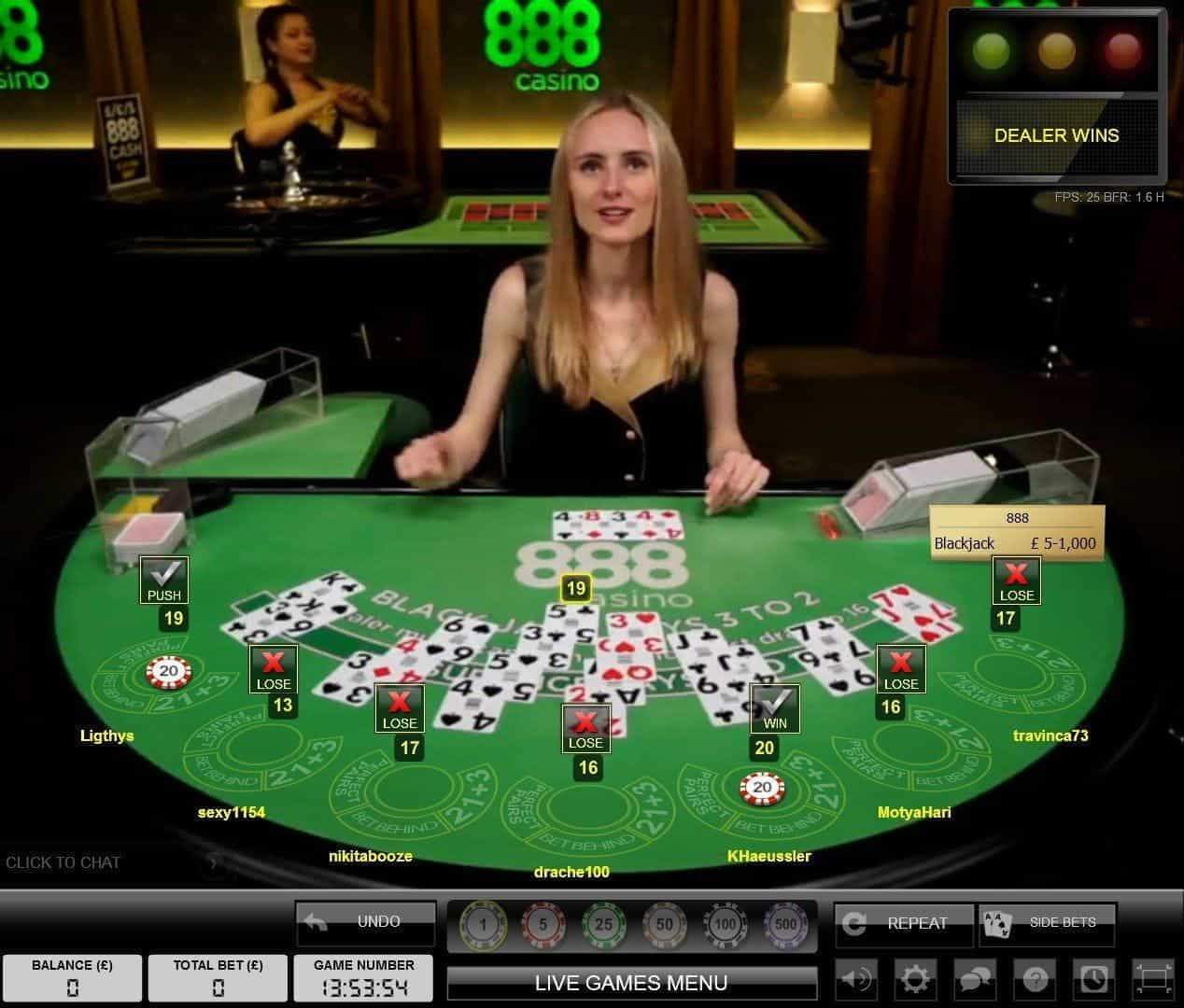
888 Live Casino Review ᗎ 888 Casino Live Bonuses & Games

Die klaren Konditionen des Treueprogramms haben mich besonders überzeugt. Ich konnte meinen Fortschritt jederzeit abrufen und war mir genau bewusst, welche Belohnungen mich auf der nächsten Stufe erwarten. Diese Ehrlichkeit fördert Vertrauen und regt an, die Vorteile von VipLuck voll und ganz auszukosten. Dies beweist, dass Hochachtung hier keine hohle Phrase ist.

Spiele unterwegs: Das Vergnügen des Zockens von unterwegs

Ich habe die meiste Zeit meiner Testphase auf dem Smartphone verbracht und war von der mobilen Performance äußerst beeindruckt. VipLuck bietet keine dedizierte App, aber die mobil optimierte Webseite arbeitet so flüssig wie eine native Anwendung. Ich bewegte mich mit Gesten durch die Spielebibliothek und entdeckte alle Funktionen vor, die ich auch vom Desktop wusste. Die Touch-Bedienung ist exakt und intuitiv.

Gleich ob ich im Park hockte oder auf den Bus wartete, die Spiele arbeiteten ohne Ruckler und in hervorragender Bildqualität. Die mobile Version passt sich problemlos an verschiedene Bildschirmgrößen an und bietet einen kompletten Funktionsumfang. Ich konnte stets Einzahlungen vornehmen und den Kundenservice kontaktieren. VipSpin ermöglicht ein unbegrenztes Spielerlebnis, das sich perfekt in meinen Alltag einbindet.

Während meiner Tests überzeugte mich die Akkulaufzeit der Browser-basierten Lösung. Im Gegensatz zu nativen Apps, die oft Ressourcen fressen, blieb mein Gerät auch bei langen Sessions wohltuend kühl. Die mobile Optimierung geht sogar auf die Live-Casino-Tische, die ich in hochauflösender Qualität auf meinem Handy genießen konnte. So muss mobiles Gaming sein.

Der Einfluss der führenden Software-Anbieter

Das Niveau einer Spielebibliothek steht und fällt mit den Partnern dahinter. VipLuck kooperiert mit Branchengrößen wie NetEnt, Microgaming, Play’n GO und Evolution Gaming. Ich fand es toll, dass ich umgehend auf die aktuellsten Veröffentlichungen dieser Giganten zurückgreifen konnte. Diese Partnerschaften garantieren faire Auszahlungsquoten und innovative Spielmechaniken, die ich sofort zu schätzen wusste.

Durch die modernste HTML5-Technologie funktionieren alle Spiele reibungslos auf jedem Gerät, ohne dass ich einen extra Client herunterladen musste. Die Ladezeiten sind minimal, selbst bei anspruchsvollen Titeln. Ich konnte Spielrunden immer ohne Unterbrechung genießen. Die Stabilität der Plattform ist ein klares Zeichen für das hochwertige technische Niveau, das VipLuck an den Tag legt.

Ein zusätzlicher Vorteil der erstklassigen Partner ist die kontinuierliche Veröffentlichung von exklusiven Titeln, die ich nur bei VipLuck vorgefunden habe. Diese Exklusivspiele präsentieren einzigartige Mechaniken und Themen, die das Portfolio zusätzlich bunter machen. Ich spürte, an etwas Einzigartigem teilzuhaben, das nicht jeder Spieler auf dem Markt genießen kann. Die Entwickler tun hier alles.

Der erste Eindruck und die Benutzeroberfläche

Als ich die Startseite von VipLuck betrat, wurde ich sofort von einem edlen Farbschema und einer benutzerfreundlichen Navigation willkommen geheißen. Die schwarz-goldene Ästhetik schafft ein Empfinden von Luxus, ohne aufdringlich zu sein. Sämtliche wichtigen Bereiche wie Casino, Live-Casino und Promotionen sind über eine klar strukturierte Menüleiste verfügbar. Ich konnte mich in Sekundenschnelle zurechtfinden. Besonders beeindruckt hat mich die Suchfunktion, die es mir erlaubt, meinen Lieblingsautomaten mit einem einer einzigen Eingabe zu ausfindig zu machen. Auch die Ladezeiten sind erstaunlich kurz, was für ein unterbrechungsfreies Spielerlebnis garantiert.

Die Anmeldung verlief äußerst einfach. Ich brauchte nur einige persönliche Angaben einzutragen und konnte innerhalb von zwei Minuten starten. VipLuck achtet sehr auf eine nutzerfreundliche Erfahrung, ohne jedoch auf wichtige Sicherheitsüberprüfungen zu verzichten. Der gesamte Prozess erschien zuverlässig und fachmännisch an. Ich schätzte besonders die deutlichen Hinweise während der Verifizierung, die alle Unklarheiten sofort beseitigten.

Eine Filtermöglichkeit nach Spielanbieter erleichtert die Suche nach den eigenen Favoriten ungemein. Ich war in der Lage meinen Favoriten-Speicher verwenden, um Spiele für kommende Spielrunden zu kennzeichnen. Diese persönliche Note verleiht der Navigation eine individuelle Komponente und spart wertvolle Zeit im stressigen Alltag. So wird bereits das Einloggen zu etwas Einzigartigem.

Begrüßungsbonus und regelmäßige Angebote

Mein Beginn bei VipLuck begann mit einem freigebigen Willkommenspaket, welches meinen ersten Einzahlungsbetrag um mehr als das Doppelte erhöht hat. Das Guthaben wurde meinem Konto unverzüglich überwiesen, nachdem ich den Code eingegeben hatte. Mir war es möglich die Bonusbedingungen klar einsehen, was ich für fair hielt. Im Vergleich zu der Konkurrenz sind die Bedingungen bei diesem Anbieter klar und ohne versteckte Klauseln abgefasst.

Neben dem Begrüßungsbonus begeisterte mich VipLuck jeden Freitag mit frischen Angeboten. Ich erhielt Nachladeboni, Cashback-Angebote sowie kostenlose Drehungen für eine Auswahl an Slots. Die regelmäßigen Wettbewerbe mit Ranglisten sowie attraktiven Preisgeldern verpassen dem Spielalltag eine zusätzliche Portion Spannung. Nur selten habe ich ein Casino gesehen, das seine Stammkunden so konsequent mit hochwertigen Vergünstigungen bedenkt.

Besondere Aufmerksamkeit verdient das Punktesammelsystem, welches bei jeder Spielrunde zunimmt sowie sofort eingelöst werden kann. Ich konnte sammeln Bonuspunkte schneller als erwartet und wechselte sie gegen Bonusguthaben ein. Diese Mechanik motiviert mich, regelmäßig wiederzukommen sowie verleiht dem Spielerlebnis eine zusätzliche strategische Tiefe. Man hat das Gefühl, dass jeder Mausklick bedeuten.

Mein persönliches endgültiges Urteil zu VipLuck Casino

Nach gründlicher Prüfung gelangte ich zu der Erkenntnis, dass VipLuck Casino zu den besten Adressen in der Online-Casino-Welt zählt. Die Kombination aus einer beeindruckenden Spielvielfalt, blitzschnellen Auszahlungen und einem exzellenten VIP-Service sucht ihresgleichen. Ich fühlte mich als Spieler immer wertgeschätzt und rundum wohl. Die Plattform hat meine Ansprüche in fast jeder Hinsicht übertroffen.

Was VipLuck von der Masse abhebt, ist die Aufmerksamkeit für Details. Vom eleganten Interface über die maßgeschneiderten Promotionen bis hin zum persönlichen Support – hier passt einfach alles. Ich kann dieses Casino sowohl Anfängern als auch High Rollern mit voller Überzeugung weiterempfehlen. Falls du nach einem seriösen, aufregenden und lohnenswerten Spielerlebnis suchst, dann ist VipLuck die richtige Wahl.

VipLuck Casino repräsentiert die perfekte Kombination für mich aus Glanz, Zuverlässigkeit und Innovation. Ich bin überzeugt, dass dieses Casino die Gaming-Welt nachhaltig prägen wird. Mein Liebling ist das Zusammenspiel aus dem schnell reagierenden Live-Chat und den rasanten Krypto-Auszahlungen. Wer nach Exzellenz sucht wird hier garantiert fündig.

Rabby Wallet vs Trust Wallet: Why Binance Users Are Making the Switch for Self-Custody

A Binance user managing positions across Ethereum, Arbitrum, and Polygon faces a practical decision: which self-custodial wallet should hold the keys to assets that may move between exchanges and DeFi protocols multiple times per week. Trust Wallet, the Binance-owned mobile application, offers convenience and integration with the exchange itself. But that relationship also means Binance controls the wallet infrastructure, sets update schedules, and determines feature prioritization. An alternative exists in Rabby Wallet, an open-source, non-custodial application available as a browser extension, mobile app, and desktop client. The choice between them is not merely about features. It is about whether a user prioritizes deep exchange integration or independent wallet control.

The distinction matters because self-custody and centralized convenience are not the same thing. Trust Wallet technically qualifies as self-custodial in that Binance does not hold the user’s private keys. The keys remain on the user’s device. But the wallet’s code is proprietary, updates come from Binance, and the application connects to Binance-controlled or Binance-selected infrastructure by default. Rabby, by contrast, operates as an open-source project with publicly reviewable code, multiple deployment options, and deliberate separation from exchange infrastructure. For users concerned about wallet transparency, independent auditing, or freedom to examine exactly what their application does, that difference is material.

Rabby Wallet interface showing multichain support, transaction simulation, and connected DApps across EVM networks

Why open-source architecture matters for wallet security

Trust Wallet’s code is closed. Binance publishes no source repository, allows no independent code review by the broader security community, and retains unilateral authority over what gets compiled into each release. That does not necessarily mean the wallet is insecure. Binance employs capable engineers and has incentives to protect user funds. But it does mean users must trust Binance’s representations about the code, rely on Binance’s security testing, and accept that vulnerabilities or backdoors—whether deliberate or accidental—would not be discovered through public inspection.

Rabby’s open-source model reverses that dynamic. The browser extension code is publicly available for inspection on GitHub. Security researchers, competing wallet developers, and technically capable users can examine the implementation, identify issues, and propose fixes. This transparency does not make the wallet inherently safer—open source can contain bugs just as easily as proprietary code—but it creates a distributed verification mechanism. A critical vulnerability in Rabby would be more likely to surface through independent review or community audit than one hiding in a closed codebase. The trade-off is that malicious actors also have access to the code, so security through obscurity is not part of Rabby’s model. Instead, security relies on cryptographic correctness, careful implementation, and rapid patching when issues emerge.

For users who have experienced a security incident or data breach in the past, or who operate in jurisdictions where financial surveillance is a concern, the transparency becomes a practical advantage. A user can download Rabby’s source code, hire an auditor to review it, or wait for community audits to be published. Trust Wallet users cannot do any of that because the code is not accessible. The developer’s goodwill and Binance’s reputation are the only assurances available. Neither is a guarantee, and neither survives a determined attack or a change in Binance’s internal priorities.

This distinction also affects update security. Trust Wallet updates come from Binance’s App Store or Play Store distribution channels, and users must accept them to continue using the application. Rabby’s browser extension can be reviewed before installation, and users can inspect what changes between versions if they maintain local copies. Mobile applications on iOS and Android must still pass app store review, but the open source code means an independent developer could theoretically rebuild and verify the version they are running matches what is published. Users with significant holdings sometimes do exactly that.

Transaction simulation and readability as a DeFi necessity

Trust Wallet displays a send transaction as a straightforward operation: recipient address, amount, and gas fee. For simple token transfers, that is adequate. For a user approving a smart contract, swapping tokens through a decentralized exchange, or participating in a liquidity protocol, the display is often insufficient. The transaction data sent to the blockchain contains encoded instructions that Trust Wallet does not decode for human inspection. A user might approve what appears to be a standard action, but the actual contract interaction could include hidden conditions, delegate permissions to an attacker’s address, or initiate a value transfer they did not intend.

Rabby’s transaction simulation feature decodes that data and displays what will actually happen. If a user is approving a swap on Uniswap, Rabby shows the expected token input, expected output, slippage, and any additional contract interactions. If a signature is being requested that changes wallet permissions or transfers existing holdings, Rabby flags it and displays the details. This is not foolproof protection—a sophisticated attack can still be hidden in complex contract interactions—but it raises the visibility of what a transaction actually does before the user signs.

For traders and DeFi participants who execute dozens of transactions per week, this feature becomes a daily safeguard. Trust Wallet users working with advanced protocols often rely on external transaction analysis tools, telegram bots, or copying transactions from other users who have already executed them. Rabby consolidates that verification into the wallet itself. The simulation happens locally on the user’s device; no external service needs to be consulted. This also means the transaction details and the user’s activity patterns are not shared with a third-party analysis platform.

The feature integrates with Rabby’s automatic network detection, which identifies when a user is connected to a DApp and already on the correct blockchain. Trust Wallet requires users to manually switch networks in the wallet application before executing a transaction. Rabby detects the active network from the webpage and switches automatically if the user has multiple EVM chains configured. For users jumping between Arbitrum, Optimism, and Ethereum throughout a trading session, this saves numerous extra clicks and reduces the chance of signing a transaction on the wrong network—a costly mistake with no undo.

Multichain support without integration constraints

Trust Wallet supports dozens of blockchains, but Ethereum and EVM-compatible networks are not its only focus. The wallet also handles Bitcoin, Solana, Cosmos, Tezos, and others, each with distinct transaction models, address formats, and recovery mechanisms. That breadth is useful for users with diversified holdings, but it also means no single network receives the level of optimization it might otherwise deserve.

Rabby is deliberately narrower: it focuses on Ethereum and EVM-compatible networks. This includes Ethereum mainnet, Base, Arbitrum, Optimism, Polygon, BNB Smart Chain, and Avalanche—the networks where most DeFi volume and token activity occur. By concentrating on EVM chains, Rabby can provide deeper features specific to that ecosystem. Transaction simulation works because EVM bytecode is standardizable. Automatic network detection relies on consistent Ethereum RPC standards. NFT galleries, token balances, and chain analytics are optimized for EVM wallet behavior rather than shoehorned into a framework designed for disparate protocols.

For a user whose holdings are primarily EVM-based, this focused design translates to better usability. A user with Bitcoin or Solana holdings can maintain separate wallets for those assets and use Rabby solely for Ethereum ecosystem activity. This actually aligns with security best practices: keeping private keys for unrelated blockchains in the same application increases the risk surface. If one chain’s implementation in the wallet is compromised, it could theoretically expose keys used for other chains. Separation reduces that cross-chain contamination risk, even if it means managing multiple applications.

Hardware wallet integration and MetaMask migration paths

Both Trust Wallet and Rabby support hardware wallets—Ledger and Trezor devices that keep private keys offline and only approve transactions after physical button confirmation. For high-value holdings, this is standard practice. The difference is how the integration works and how complete it is.

Trust Wallet’s hardware wallet support is functional but not comprehensive. Certain operations, particularly on less common EVM chains, may fall back to software signing or require workarounds. Rabby’s hardware integration is more thorough across the networks it supports, with Ledger devices receiving particular attention. A Ledger user can import their hardware wallet into Rabby and execute transactions across Arbitrum, Base, and other chains with the same level of confirmation required for Ethereum mainnet transactions. The implementation is also cleaner: Rabby does not require users to install a separate browser extension for hardware wallet communication, the way MetaMask does with its Ledger Live app.

The MetaMask import feature is relevant for the Binance user considering a switch. MetaMask is the most widely used Ethereum wallet, with millions of users who have already generated seed phrases and imported accounts. Trust Wallet allows import from MetaMask, and so does Rabby. But Rabby’s import process also includes the ability to connect to the same networks and DApps without requiring a full wallet migration. A user can add Rabby as an additional browser extension, import their MetaMask recovery phrase, test it on testnet, and gradually route transactions through Rabby while keeping MetaMask as a backup. This staged approach reduces the risk that a single migration mistake locks someone out of their funds.

DeBank ecosystem integration and portfolio tracking

Rabby operates within the DeBank ecosystem, a comprehensive DeFi analytics and portfolio management platform. DeBank tracks holdings across hundreds of protocols, shows yield farming positions, identifies governance token balances, and calculates total portfolio value denominated in USD or other assets. Rabby’s integration with DeBank means wallet activity automatically surfaces in the user’s DeBank dashboard without requiring external connection or API tokens.

Trust Wallet includes basic portfolio tracking but lacks the depth of protocol integration that DeBank provides. A user farming yield on Aura, staking in Lido, or providing liquidity through Curve can see these positions in DeBank but not in Trust Wallet’s summary view. They must check each protocol separately or use an external tool. For active DeFi participants making frequent changes to position sizing, rebalancing between strategies, or monitoring yield rates, this fragmented visibility becomes a friction point.

The integration also extends to DApp connectivity. When a user wants to connect Rabby wallet to Web3 apps, the process follows standard Ethereum wallet behavior: the DApp requests connection, Rabby prompts for approval, and the wallet injects itself into the webpage as a provider. This is identical to MetaMask’s approach and is now a universal standard. Trust Wallet supports it on mobile but not consistently on desktop. Rabby’s browser extension implementation is more uniform across platforms, and the open-source code means developers troubleshooting connection issues can examine the integration points directly.

Security implications of wallet separation and device control

A Trust Wallet user on a Binance-connected mobile device is participating in a system where Binance controls the wallet, the exchange, the recovery process if an account is locked, and potentially the ability to freeze transactions if suspicious activity is detected. This creates a single point of control that could, in theory, be invoked to prevent a withdrawal or restrict which addresses a user can send to. Binance has stated it does not do this, but the architecture permits it.

Rabby maintains clear separation between the wallet and any exchange infrastructure. The wallet has no built-in Binance connection, no automatic deposit address generation for Binance deposits, and no ability for Binance to interfere with outgoing transactions. If a user wants to move funds from Rabby to Binance for trading, they initiate a manual transaction from Rabby to their Binance deposit address, exactly as they would from any other wallet. Binance can accept or reject the incoming funds, but it cannot reverse the decision or block the transaction once it is broadcast to the blockchain.

This separation also applies to software updates and feature changes. Rabby’s roadmap is public, but no single entity can unilaterally force an update that changes the wallet’s behavior. A user can review the source code, decide whether an update is safe, and delay installation if they have concerns. Trust Wallet updates are released by Binance, and while users can technically refuse them, continued use of an outdated version may create security vulnerabilities or incompatibilities with updated DApps. The pressure to update is real, even if not explicit.

For users who have experienced account restrictions on Binance or other exchanges, or who operate under regulations where governments may attempt to freeze accounts, the independence of Rabby becomes a meaningful advantage. The wallet itself cannot be restricted by external pressure because no external party controls it. The blockchain transaction will execute regardless of what any company decides. This does not protect against legal prosecution or government seizure of local devices, but it does eliminate one vector of asset restriction.

The practical migration workflow and testing period

Moving from Trust Wallet to Rabby does not require moving funds or burning bridges. A user can create a new Rabby wallet, import an existing seed phrase from Trust Wallet, or generate a completely new recovery phrase and test it without any real transactions. The safest approach is to install Rabby as a browser extension, create a new test wallet, and send a small amount of token to it from Trust Wallet. Once the deposit arrives and confirms, the user has validated that Rabby’s deposit addresses work, that their transaction patterns function on the target networks, and that the experience matches their expectations.

After successful testing, the user can decide whether to import their actual Trust Wallet seed phrase into Rabby (which consolidates keys in one place) or create a new Rabby wallet and gradually migrate holdings over weeks by sending transactions from Trust Wallet. The gradual approach is slower but provides more recovery options if something goes wrong. A new Rabby wallet with a tested recovery phrase, combined with a still-functional Trust Wallet, means that even if Rabby has an unforeseen issue, the funds are not locked.

For users on iOS or Android, Rabby’s mobile application offers similar functionality to the browser extension but is separately installed. A user might operate Rabby on desktop for complex transactions requiring transaction simulation and hardware wallet integration, while using Trust Wallet on mobile for simple sends and receives. This hybrid approach is not uncommon among experienced traders. It allows the user to benefit from Rabby’s DeFi-focused features while maintaining Trust Wallet’s simplicity for everyday mobile payments.

Future-proofing through code transparency and community governance

A user choosing between wallets is implicitly betting on the developer’s long-term commitment and priorities. Trust Wallet’s developers are employed by Binance and prioritize features that serve Binance’s business. If Binance’s strategy shifts—toward tighter exchange integration, mandatory KYC features, or restrictions on certain token types—the wallet will follow that direction whether users approve or not. Rabby’s development is more distributed, with contributions from independent developers and financial backing from investors whose incentives are aligned with wallet users rather than centralized exchange operators.

The open-source model also provides a hedge against abandonment. If Rabby’s primary developers stopped maintaining the code, the community could fork it, audit the last stable version, and continue developing independently. Trust Wallet users have no such option. If Binance discontinued Trust Wallet or made breaking changes that rendered it unusable, users would have no recourse but to migrate everything to an alternative.

This future-proofing is not theoretical paranoia. Multiple wallet projects have been acquired, abandoned, or merged into exchanges over the past decade. Users who held private keys only on those wallets faced a sudden decision: trust the new owner, export to another wallet before the shutdown, or lose access to their funds if the wallet became incompatible with the blockchain. Transparency and community governance do not guarantee perpetual support, but they make catastrophic obsolescence less likely.

Frequently asked questions

Can I import my Trust Wallet recovery phrase into Rabby?

Yes. Both Trust Wallet and Rabby support standard BIP39 recovery phrases for Ethereum and EVM chains. During Rabby setup, select “Import Wallet” and enter your 12- or 24-word seed phrase. This gives you access to the same accounts and funds without moving blockchain assets. Your original Trust Wallet remains accessible with the same phrase.

What happens if Rabby’s developers stop maintaining the wallet?

Because Rabby is open-source, the code remains available for the community to audit, fork, and continue developing. The private keys are always on your device and controlled by your recovery phrase; they are not locked to the Rabby application. You can import your recovery phrase into any other EVM-compatible wallet at any time. Trust Wallet offers no equivalent guarantee because the code is proprietary to Binance.

Does Rabby work with hardware wallets like Ledger and Trezor?

Yes. Rabby supports both Ledger and Trezor devices. You can import a hardware wallet during setup, and transactions will require physical confirmation on the device. This works consistently across Ethereum, Arbitrum, Base, Optimism, Polygon, and other supported EVM chains without requiring additional browser extensions.


Rabby Wallet vs Trust Wallet: Why Binance Users Are Making the Switch for Self-Custody

A Binance user managing positions across Ethereum, Arbitrum, and Polygon faces a practical decision: which self-custodial wallet should hold the keys to assets that may move between exchanges and DeFi protocols multiple times per week. Trust Wallet, the Binance-owned mobile application, offers convenience and integration with the exchange itself. But that relationship also means Binance controls the wallet infrastructure, sets update schedules, and determines feature prioritization. An alternative exists in Rabby Wallet, an open-source, non-custodial application available as a browser extension, mobile app, and desktop client. The choice between them is not merely about features. It is about whether a user prioritizes deep exchange integration or independent wallet control.

The distinction matters because self-custody and centralized convenience are not the same thing. Trust Wallet technically qualifies as self-custodial in that Binance does not hold the user’s private keys. The keys remain on the user’s device. But the wallet’s code is proprietary, updates come from Binance, and the application connects to Binance-controlled or Binance-selected infrastructure by default. Rabby, by contrast, operates as an open-source project with publicly reviewable code, multiple deployment options, and deliberate separation from exchange infrastructure. For users concerned about wallet transparency, independent auditing, or freedom to examine exactly what their application does, that difference is material.

Rabby Wallet interface showing multichain support, transaction simulation, and connected DApps across EVM networks

Why open-source architecture matters for wallet security

Trust Wallet’s code is closed. Binance publishes no source repository, allows no independent code review by the broader security community, and retains unilateral authority over what gets compiled into each release. That does not necessarily mean the wallet is insecure. Binance employs capable engineers and has incentives to protect user funds. But it does mean users must trust Binance’s representations about the code, rely on Binance’s security testing, and accept that vulnerabilities or backdoors—whether deliberate or accidental—would not be discovered through public inspection.

Rabby’s open-source model reverses that dynamic. The browser extension code is publicly available for inspection on GitHub. Security researchers, competing wallet developers, and technically capable users can examine the implementation, identify issues, and propose fixes. This transparency does not make the wallet inherently safer—open source can contain bugs just as easily as proprietary code—but it creates a distributed verification mechanism. A critical vulnerability in Rabby would be more likely to surface through independent review or community audit than one hiding in a closed codebase. The trade-off is that malicious actors also have access to the code, so security through obscurity is not part of Rabby’s model. Instead, security relies on cryptographic correctness, careful implementation, and rapid patching when issues emerge.

For users who have experienced a security incident or data breach in the past, or who operate in jurisdictions where financial surveillance is a concern, the transparency becomes a practical advantage. A user can download Rabby’s source code, hire an auditor to review it, or wait for community audits to be published. Trust Wallet users cannot do any of that because the code is not accessible. The developer’s goodwill and Binance’s reputation are the only assurances available. Neither is a guarantee, and neither survives a determined attack or a change in Binance’s internal priorities.

This distinction also affects update security. Trust Wallet updates come from Binance’s App Store or Play Store distribution channels, and users must accept them to continue using the application. Rabby’s browser extension can be reviewed before installation, and users can inspect what changes between versions if they maintain local copies. Mobile applications on iOS and Android must still pass app store review, but the open source code means an independent developer could theoretically rebuild and verify the version they are running matches what is published. Users with significant holdings sometimes do exactly that.

Transaction simulation and readability as a DeFi necessity

Trust Wallet displays a send transaction as a straightforward operation: recipient address, amount, and gas fee. For simple token transfers, that is adequate. For a user approving a smart contract, swapping tokens through a decentralized exchange, or participating in a liquidity protocol, the display is often insufficient. The transaction data sent to the blockchain contains encoded instructions that Trust Wallet does not decode for human inspection. A user might approve what appears to be a standard action, but the actual contract interaction could include hidden conditions, delegate permissions to an attacker’s address, or initiate a value transfer they did not intend.

Rabby’s transaction simulation feature decodes that data and displays what will actually happen. If a user is approving a swap on Uniswap, Rabby shows the expected token input, expected output, slippage, and any additional contract interactions. If a signature is being requested that changes wallet permissions or transfers existing holdings, Rabby flags it and displays the details. This is not foolproof protection—a sophisticated attack can still be hidden in complex contract interactions—but it raises the visibility of what a transaction actually does before the user signs.

For traders and DeFi participants who execute dozens of transactions per week, this feature becomes a daily safeguard. Trust Wallet users working with advanced protocols often rely on external transaction analysis tools, telegram bots, or copying transactions from other users who have already executed them. Rabby consolidates that verification into the wallet itself. The simulation happens locally on the user’s device; no external service needs to be consulted. This also means the transaction details and the user’s activity patterns are not shared with a third-party analysis platform.

The feature integrates with Rabby’s automatic network detection, which identifies when a user is connected to a DApp and already on the correct blockchain. Trust Wallet requires users to manually switch networks in the wallet application before executing a transaction. Rabby detects the active network from the webpage and switches automatically if the user has multiple EVM chains configured. For users jumping between Arbitrum, Optimism, and Ethereum throughout a trading session, this saves numerous extra clicks and reduces the chance of signing a transaction on the wrong network—a costly mistake with no undo.

Multichain support without integration constraints

Trust Wallet supports dozens of blockchains, but Ethereum and EVM-compatible networks are not its only focus. The wallet also handles Bitcoin, Solana, Cosmos, Tezos, and others, each with distinct transaction models, address formats, and recovery mechanisms. That breadth is useful for users with diversified holdings, but it also means no single network receives the level of optimization it might otherwise deserve.

Rabby is deliberately narrower: it focuses on Ethereum and EVM-compatible networks. This includes Ethereum mainnet, Base, Arbitrum, Optimism, Polygon, BNB Smart Chain, and Avalanche—the networks where most DeFi volume and token activity occur. By concentrating on EVM chains, Rabby can provide deeper features specific to that ecosystem. Transaction simulation works because EVM bytecode is standardizable. Automatic network detection relies on consistent Ethereum RPC standards. NFT galleries, token balances, and chain analytics are optimized for EVM wallet behavior rather than shoehorned into a framework designed for disparate protocols.

For a user whose holdings are primarily EVM-based, this focused design translates to better usability. A user with Bitcoin or Solana holdings can maintain separate wallets for those assets and use Rabby solely for Ethereum ecosystem activity. This actually aligns with security best practices: keeping private keys for unrelated blockchains in the same application increases the risk surface. If one chain’s implementation in the wallet is compromised, it could theoretically expose keys used for other chains. Separation reduces that cross-chain contamination risk, even if it means managing multiple applications.

Hardware wallet integration and MetaMask migration paths

Both Trust Wallet and Rabby support hardware wallets—Ledger and Trezor devices that keep private keys offline and only approve transactions after physical button confirmation. For high-value holdings, this is standard practice. The difference is how the integration works and how complete it is.

Trust Wallet’s hardware wallet support is functional but not comprehensive. Certain operations, particularly on less common EVM chains, may fall back to software signing or require workarounds. Rabby’s hardware integration is more thorough across the networks it supports, with Ledger devices receiving particular attention. A Ledger user can import their hardware wallet into Rabby and execute transactions across Arbitrum, Base, and other chains with the same level of confirmation required for Ethereum mainnet transactions. The implementation is also cleaner: Rabby does not require users to install a separate browser extension for hardware wallet communication, the way MetaMask does with its Ledger Live app.

The MetaMask import feature is relevant for the Binance user considering a switch. MetaMask is the most widely used Ethereum wallet, with millions of users who have already generated seed phrases and imported accounts. Trust Wallet allows import from MetaMask, and so does Rabby. But Rabby’s import process also includes the ability to connect to the same networks and DApps without requiring a full wallet migration. A user can add Rabby as an additional browser extension, import their MetaMask recovery phrase, test it on testnet, and gradually route transactions through Rabby while keeping MetaMask as a backup. This staged approach reduces the risk that a single migration mistake locks someone out of their funds.

DeBank ecosystem integration and portfolio tracking

Rabby operates within the DeBank ecosystem, a comprehensive DeFi analytics and portfolio management platform. DeBank tracks holdings across hundreds of protocols, shows yield farming positions, identifies governance token balances, and calculates total portfolio value denominated in USD or other assets. Rabby’s integration with DeBank means wallet activity automatically surfaces in the user’s DeBank dashboard without requiring external connection or API tokens.

Trust Wallet includes basic portfolio tracking but lacks the depth of protocol integration that DeBank provides. A user farming yield on Aura, staking in Lido, or providing liquidity through Curve can see these positions in DeBank but not in Trust Wallet’s summary view. They must check each protocol separately or use an external tool. For active DeFi participants making frequent changes to position sizing, rebalancing between strategies, or monitoring yield rates, this fragmented visibility becomes a friction point.

The integration also extends to DApp connectivity. When a user wants to connect Rabby wallet to Web3 apps, the process follows standard Ethereum wallet behavior: the DApp requests connection, Rabby prompts for approval, and the wallet injects itself into the webpage as a provider. This is identical to MetaMask’s approach and is now a universal standard. Trust Wallet supports it on mobile but not consistently on desktop. Rabby’s browser extension implementation is more uniform across platforms, and the open-source code means developers troubleshooting connection issues can examine the integration points directly.

Security implications of wallet separation and device control

A Trust Wallet user on a Binance-connected mobile device is participating in a system where Binance controls the wallet, the exchange, the recovery process if an account is locked, and potentially the ability to freeze transactions if suspicious activity is detected. This creates a single point of control that could, in theory, be invoked to prevent a withdrawal or restrict which addresses a user can send to. Binance has stated it does not do this, but the architecture permits it.

Rabby maintains clear separation between the wallet and any exchange infrastructure. The wallet has no built-in Binance connection, no automatic deposit address generation for Binance deposits, and no ability for Binance to interfere with outgoing transactions. If a user wants to move funds from Rabby to Binance for trading, they initiate a manual transaction from Rabby to their Binance deposit address, exactly as they would from any other wallet. Binance can accept or reject the incoming funds, but it cannot reverse the decision or block the transaction once it is broadcast to the blockchain.

This separation also applies to software updates and feature changes. Rabby’s roadmap is public, but no single entity can unilaterally force an update that changes the wallet’s behavior. A user can review the source code, decide whether an update is safe, and delay installation if they have concerns. Trust Wallet updates are released by Binance, and while users can technically refuse them, continued use of an outdated version may create security vulnerabilities or incompatibilities with updated DApps. The pressure to update is real, even if not explicit.

For users who have experienced account restrictions on Binance or other exchanges, or who operate under regulations where governments may attempt to freeze accounts, the independence of Rabby becomes a meaningful advantage. The wallet itself cannot be restricted by external pressure because no external party controls it. The blockchain transaction will execute regardless of what any company decides. This does not protect against legal prosecution or government seizure of local devices, but it does eliminate one vector of asset restriction.

The practical migration workflow and testing period

Moving from Trust Wallet to Rabby does not require moving funds or burning bridges. A user can create a new Rabby wallet, import an existing seed phrase from Trust Wallet, or generate a completely new recovery phrase and test it without any real transactions. The safest approach is to install Rabby as a browser extension, create a new test wallet, and send a small amount of token to it from Trust Wallet. Once the deposit arrives and confirms, the user has validated that Rabby’s deposit addresses work, that their transaction patterns function on the target networks, and that the experience matches their expectations.

After successful testing, the user can decide whether to import their actual Trust Wallet seed phrase into Rabby (which consolidates keys in one place) or create a new Rabby wallet and gradually migrate holdings over weeks by sending transactions from Trust Wallet. The gradual approach is slower but provides more recovery options if something goes wrong. A new Rabby wallet with a tested recovery phrase, combined with a still-functional Trust Wallet, means that even if Rabby has an unforeseen issue, the funds are not locked.

For users on iOS or Android, Rabby’s mobile application offers similar functionality to the browser extension but is separately installed. A user might operate Rabby on desktop for complex transactions requiring transaction simulation and hardware wallet integration, while using Trust Wallet on mobile for simple sends and receives. This hybrid approach is not uncommon among experienced traders. It allows the user to benefit from Rabby’s DeFi-focused features while maintaining Trust Wallet’s simplicity for everyday mobile payments.

Future-proofing through code transparency and community governance

A user choosing between wallets is implicitly betting on the developer’s long-term commitment and priorities. Trust Wallet’s developers are employed by Binance and prioritize features that serve Binance’s business. If Binance’s strategy shifts—toward tighter exchange integration, mandatory KYC features, or restrictions on certain token types—the wallet will follow that direction whether users approve or not. Rabby’s development is more distributed, with contributions from independent developers and financial backing from investors whose incentives are aligned with wallet users rather than centralized exchange operators.

The open-source model also provides a hedge against abandonment. If Rabby’s primary developers stopped maintaining the code, the community could fork it, audit the last stable version, and continue developing independently. Trust Wallet users have no such option. If Binance discontinued Trust Wallet or made breaking changes that rendered it unusable, users would have no recourse but to migrate everything to an alternative.

This future-proofing is not theoretical paranoia. Multiple wallet projects have been acquired, abandoned, or merged into exchanges over the past decade. Users who held private keys only on those wallets faced a sudden decision: trust the new owner, export to another wallet before the shutdown, or lose access to their funds if the wallet became incompatible with the blockchain. Transparency and community governance do not guarantee perpetual support, but they make catastrophic obsolescence less likely.

Frequently asked questions

Can I import my Trust Wallet recovery phrase into Rabby?

Yes. Both Trust Wallet and Rabby support standard BIP39 recovery phrases for Ethereum and EVM chains. During Rabby setup, select “Import Wallet” and enter your 12- or 24-word seed phrase. This gives you access to the same accounts and funds without moving blockchain assets. Your original Trust Wallet remains accessible with the same phrase.

What happens if Rabby’s developers stop maintaining the wallet?

Because Rabby is open-source, the code remains available for the community to audit, fork, and continue developing. The private keys are always on your device and controlled by your recovery phrase; they are not locked to the Rabby application. You can import your recovery phrase into any other EVM-compatible wallet at any time. Trust Wallet offers no equivalent guarantee because the code is proprietary to Binance.

Does Rabby work with hardware wallets like Ledger and Trezor?

Yes. Rabby supports both Ledger and Trezor devices. You can import a hardware wallet during setup, and transactions will require physical confirmation on the device. This works consistently across Ethereum, Arbitrum, Base, Optimism, Polygon, and other supported EVM chains without requiring additional browser extensions.

Halotestin (Fluoxymesteron) in Bodybuilding: Een Diepgaande Analyse

Bodybuilding is niet alleen een sport, maar een levensstijl die discipline, toewijding en de juiste kennis vereist. Voor veel bodybuilders is het optimaliseren van hun trainingen en resultaten een topprioriteit. Een van de stoffen die vaak in deze context wordt besproken, is Halotestin, ook wel bekend als Fluoxymesteron. Dit krachtige anabole androgeen wordt door sommige bodybuilders gebruikt om hun prestaties te verbeteren. In dit artikel duiken we dieper in de wereld van Halotestin en zijn rol in bodybuilding.

https://ozarkpressurewash.yourdevexpert.com/news/halotestin-fluoxymesteron-een-krachtige-tool-voor-bodybuilders-in-belgie/

Wat is Halotestin?

Halotestin, of Fluoxymesteron, is een synthetisch, anabool steroïde dat oorspronkelijk werd ontwikkeld voor medisch gebruik, met name voor de behandeling van bepaalde vormen van bloedarmoede en andere aandoeningen. Het bestaat uit een extreem krachtige formulering die de spiergroei en kracht bevorderd. Bodybuilders maken gebruik van deze eigenschappen om de resultaten van hun trainingen te maximaliseren.

De Voordelen van Halotestin in Bodybuilding

  1. Verhoogde Kracht: Halotestin staat bekend om zijn vermogen om de kracht te verhogen met minimale toename van vet.
  2. Snelle Resultaten: Gebruikers ervaren vaak snelle krachtwinsten en verbeterde prestaties in de sportschool.
  3. Verbeterde Focus: Veel bodybuilders melden een verbeterde mentale focus en motivatie tijdens trainingen.

Risico’s en Bijwerkingen

Hoewel Halotestin aanzienlijke voordelen kan bieden, zijn er ook belangrijke risico’s en bijwerkingen verbonden aan het gebruik van deze stof. Hoewel elk individu anders kan reageren, zijn hier enkele van de meest voorkomende bijwerkingen:

  1. Leverbeschadiging
  2. Verhoogde bloeddruk
  3. Veranderingen in cholesterinenniveaus
  4. Hormonale disbalans

Conclusie

Halotestin (Fluoxymesteron) kan een krachtige tool zijn voor bodybuilders die hun prestaties willen optimaliseren. Echter, het is van cruciaal belang om grondig onderzoek te doen en de mogelijke risico’s en bijwerkingen te overwegen voordat men besluit deze stof te gebruiken. Zoals bij elk supplement of stof, is het altijd aan te raden om te overleggen met een deskundige of een arts voordat u begint met het gebruik ervan.